Sea Containers London welcomes a new wave of suites on the Thames
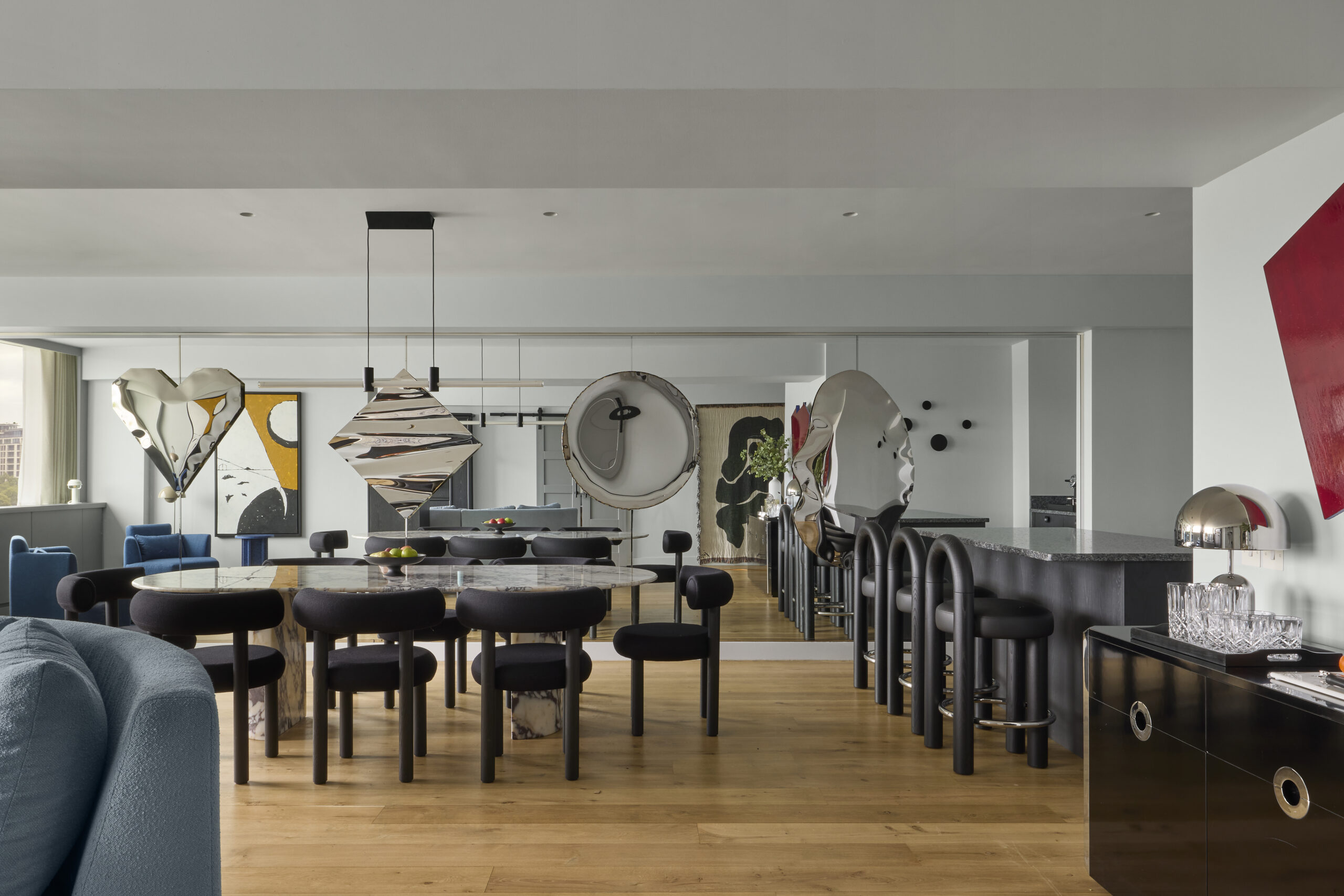
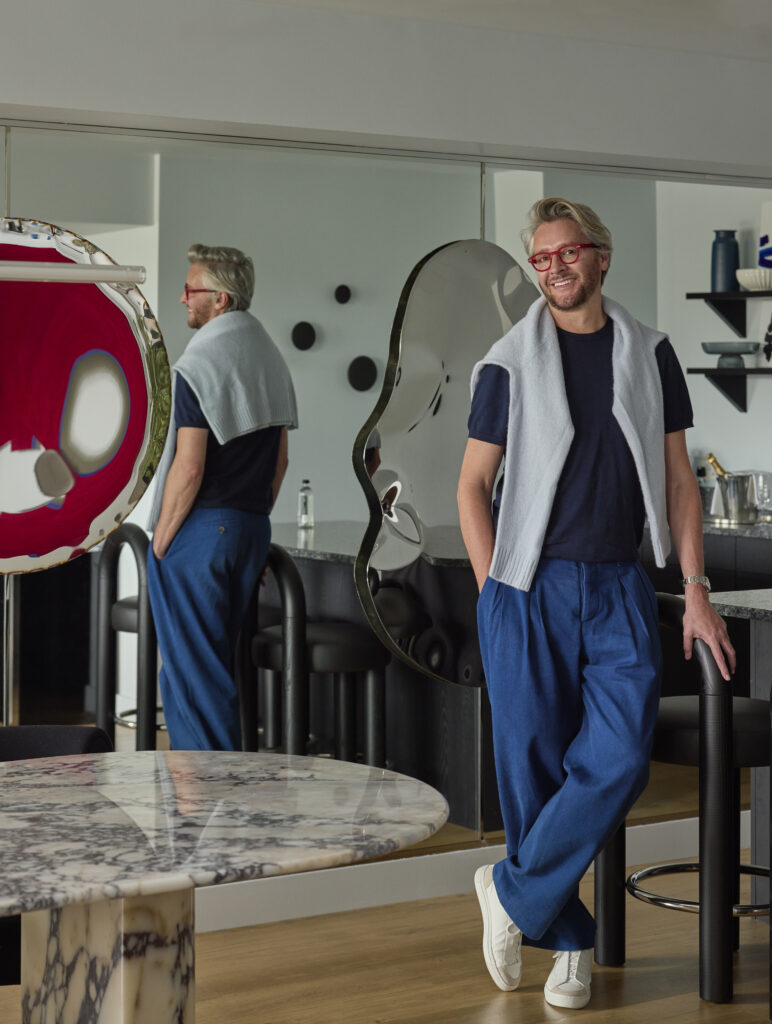
SPACE gets a first look at the new Thames Suite Collection at Sea Containers London, where Jacu Strauss is redesigning the guestroom around the way people actually stay
WORDS BY JESS MILES
When Sea Containers first debuted on Southbank’s shores in 2011, flaunting Tom Dixon’s first hotel interior design concept under Design Research Studio, it quickly became one of London’s most loved hotels, oozing cool and character that others on the scene lacked. Built in the 1970s, the building was designed by American architect Warren Platner originally charted as a luxury hotel before changing course to become offices. Shipping company, Sea Containers, were the main tenants, and so when the time came for the building to fulfil its destiny, a story and name were set, the design narrative becoming a nautical nod to the building’s maritime history. Fast forward to today and the hotel remains a mainstay on the London line up of leading hotels, known for its bold design and prime riverside location.Under the care of forward-thinking hotel group, Lore Group, Sea Containers is undergoing several updates to align with evolving guest expectations whilst staying true to the hotel’s reputation.
Last year marked the launch of the Cabin Suite Collection, a unique collection of four suites each designed as a portal to a bygone era of golden-age transatlantic travel, in partnership with Vinterior. This year, the lobby has had a new look with the arrival of a striking new contemporary sculpture designed with long time Lore Group collaborator, Jan Hendzel. Above deck, the hotel has just unveiled the newly reimagined Thames Suite Collection, which sees 59 suites bed deeper into the maritime narrative, whilst adapting to a new type of traveller. Still to come is a redesign of Sea Containers Restaurant and 12th Knot rooftop bar. Few designers are better placed to take the helm of Sea Containers’ design evolution than Jacu Strauss. Previously senior designer at Tom Dixon's Design Research Studio, he designed Sea Containers the first time around; and now, as Creative Director & Designer of Lore Group, he serendipitously builds on his own work. On a first look of the Thames Suite Collection, Strauss tells SPACE how the new concept was built around the many ways today’s guests actually stay.
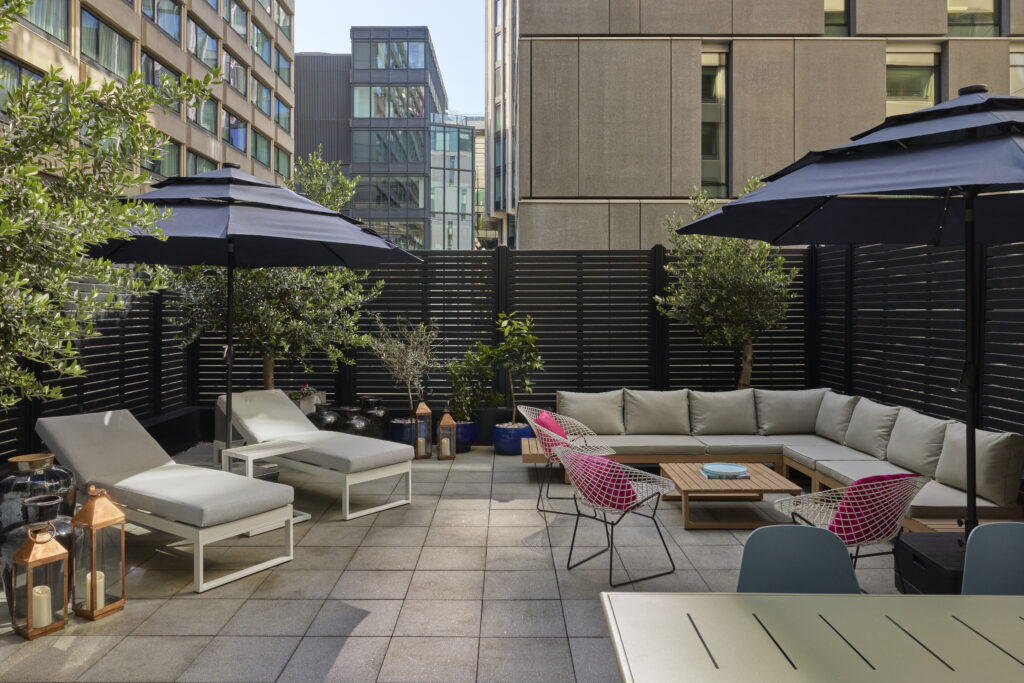
"People stay differently now. They stay longer, they work from their rooms, they invite friends for a drink. The challenge was to support all of that without losing the maritime character and playful spirit that make Sea Containers London feel like nowhere else."Upon exploring the suites, nods to the maritime character are aplenty, yet subtle enough to invite guests to explore and engage with the design. Table tops and bar counters for example, are terrazzo-esque surfaces crafted by Polygood from 100% recycled plastics that were once appliances, manufacturing components, or single use plastics that have been saved from polluting our waters. Coffee tables are formed from reclaimed ship propellers, sourced from vintage dealers around the world, while bold chairs fashioned from industrial maritime hardware carry form inspired by Art Deco glamour, Brutalist strength, and the bold attitude of 1980s design. Furniture is placed to maximise the front row wall-to-wall views across the Thames towards St Paul's – which as Strauss notes is particularly spectacular for sunrise – making rooms composed for lingering in, not just simply passing through. New, layered textures and fluid shapes standout in the spaces, complimented by bespoke Strauss-designed tapestries and coffee-table books curated by Phaidon – certainly pushing the suites towards something more residential in feel.
It’s easy to imagine the suites as spaces guests will spend waking hours in, work from, entertain in – and given the aesthetic and expanse – as prime spots for brand activations, events and photoshoots. “Guest behaviour and needs have changed dramatically over the past five years, so it's become much more important to design spaces that feel flexible and reflect the way people actually live today,” Strauss says.“With the Thames Suites, I wanted guests to feel truly at home. Nobody really wants to walk into a room and be confronted by a desk facing a wall. We've moved away from the traditional hotel room layout to create a more residential feel. Rather than simply ticking the box of having somewhere to work, I wanted the suites to offer a living room and kitchenette setting that feels comfortable, social and equally suited to working, relaxing or entertaining.”And yet, for all the jobs these rooms now take on, a hotel’s priority hasn’t changed. At the end of the day, the suite's final task is the one it has always had: providing a good night's sleep. “We love to experiment and are constantly re-evaluating how guest needs evolve. But we also feel very strongly that the fundamentals should never be overlooked,” says Strauss.
“A great bed and a great shower will always be the most important elements of any hotel room. Ultimately, it's about comfort and all those thoughtful details that go with it. Even though guestrooms and suites are now expected to do much more, it's important not to overcomplicate things. The best design feels intuitive. Lighting should be easy to control, the shower should be simple to use, and every touchpoint should feel effortless. No guest wants to feel like they're learning to fly a spaceship just to turn on the shower!”In a world that is changing at such a rapid rate, it's difficult to know which shifts hotels should be embracing and which to resist when investing on updates. Strauss, returning to a design he first shaped over a decade ago, seems to have found the answer. The Thames Suites build on what guests already love about Sea Containers, updating the hotel for the modern traveller without losing sight of what made it special in the first place.
Related Articles
Boronkay Studio channels Art Deco elegance at Hôtel Palais de la Méditerranée
Boronkay Studio has reimagined Hôtel Palais de la Méditerranée in Nice, creating a contemporary i...
Read more
Portugal, built to last: the country’s next wave of hotels
Beach holidays on the Algarve, weekend breaks in Lisbon and Porto – Portugal’s appeal has never ...
Read more
Visionaries: Aaron Clarke and Marta Tuneu, the duo behind ADC & Tuneu
Once at the helm of Soho House's design team, Aaron Clarke founded ADC & Tuneu together with his...
Read more
We'd love to hear from you! Click the button to open the SPACE Magazine Survey and have your say.

Make sure you don't miss a single issue of SPACE by subscribing to receive the magazine. Click the button above to signup.