Leaders: Amar Lalvani on setting The Standard for lifestyle hotels
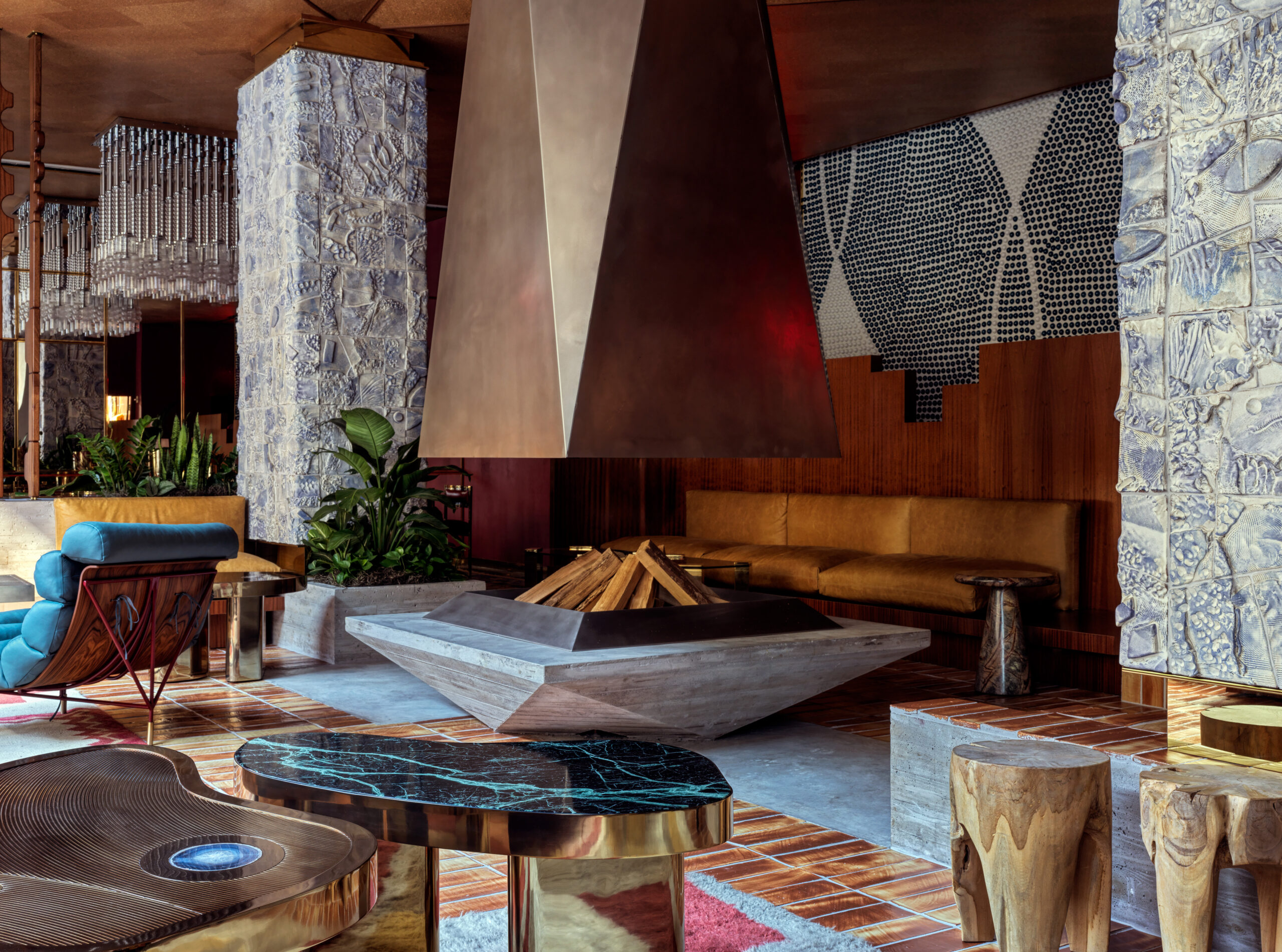
Amar Lalvani bet everything on The Standard and carried it into one of the world's largest hotel groups with its independent character intact. In conversation with SPACE, the Executive Vice President, President & Creative Director of Hyatt Lifestyle shares what gives when the creative and commercial collide. Spoiler: he doesnt compromise on either.
WORDS BY JESS MILES
It is unusual to see someone operating in a dual role, both as a business leader and creative director, but to Amar Lalvani – who straddles both as Executive Vice President and Creative Director of Hyatt Lifestyle – it makes perfect sense. "Starting with Cesar Ritz, the best hotels have always been run this way. One person overseeing both the creative and the commercial, understanding that the two are not in conflict. That they serve the same goal," he says.
Citing the likes of Ian Schrager, Franco Sersale at Le Sirenuse, and André Balazs – the founder of The Standard, who Lalvani spent his early career working with, and to whom he credits much of his education in the business – he makes a strong case. These are household names in the hospitality industry for good reason, and Lalvani puts their success down to striking that balance: "These are people who never let someone else be the final word on what the place felt like and never pretended the business did not matter."
But these figures also stand apart from others for another reason, and that is because it is a difficult tightrope to walk, especially at scale. "Apple under Steve Jobs, Polo under Ralph Lauren, Nike under Phil Knight," he refers to as examples from other industries that have scaled successfully under creative leadership, "but in hospitality it has mostly lived at the individual property level. Trying to hold that sensibility across a portfolio of brands, in different cities, with different teams, that is the real challenge I am working on."
At the helm of Hyatt Lifestyle, today he guides strategic and creative direction, bringing increased focus to brand identities and performance across a number of Hyatt's most forward-thinking brands. The roster includes Andaz, Thompson, Bunkhouse Hotels, and of course, The Standard, which brought him to Hyatt in 2024 following the group's acquisition of Standard International, where he previously held the position of board member and CEO. Lalvani has an impressive track record over the last 25 years, starting at Starwood Capital Group, where he became first assistant to chairman Barry Sternlicht, before leading global development efforts for W Hotels. In 2010 he joined The Standard, working closely with André Balazs, where it seemed he found his calling. When the time came for Balazs' exit, having become so personally invested in the brand during his tenure, Lalvani led a group of investors in the acquisition of The Standard brand, forming Standard International in 2013, with the aim of keeping everything that made up its independent spirit protected and legacy continued.
In the decade before joining Hyatt, Lalvani took The Standard from strength to strength, launching award-winning flagship properties that elevated the brand on the global stage. The Standard, London, is probably the most emblematic of that era, with its red pill-shaped lift shooting up its brutalist façade opposite King's Cross Station, now etched in the minds of Londoners. Though a North London landmark today, in the early stages the commercial realities of the project collided with the creative aspirations but Lalvani persevered. "I used to tell people we were opening in King's Cross and they would roll their eyes," he says of that time. "Trashy area, train station neighbourhood. But Camden has so much history and culture. St. Pancras was being renovated. Central Saint Martins is there. Google was coming. If you had your eye on the history and the future, you could tell. At the time, people could not imagine The Standard in King's Cross. Now they say, of course. It was obvious."
On navigating what gives when it comes to creative and business decisions, Lalvani is balanced, of course. "That conviction at the beginning is what protects you when the tension comes later, and it always comes. The budget gets tighter. Something must move. The question I ask is: which concession is recoverable? Revenue you can fix. A project ill-conceived from the get-go you cannot. "To some, the creative game might seem a risky one. But the most memorable projects are rarely the compromised ones, and for all of The Standard's successes, holding onto that fiercely independent spirit has at times come at a real cost. "I will tell you something not many people know," Lalvani shares. "At one point we had $19,000 in the bank and could not make payroll. I took everything I had saved and wired it into the company. Did not tell anyone, just did it. Then I pushed the other investors to come in alongside me."
No doubt, it was the moment that made Lalvani's intentions and belief in the brand clear while delivering the biggest learning curve for him as a leader. "That changes you. After that, every project felt personal," he says. "Not in an unhealthy way, but in a way that made the stakes very clear. I had seen what happens when great brands lose the person who cares most. The work gets a little less sharp. The decisions get a little easier. The soul goes first, and the numbers follow. I was not going to let that happen." "The other thing I learned, and it took me longer, was to stay in the room when things get uncomfortable. I used to resolve tension too quickly. I thought that was leadership. Now I think most of the best work happens when you do not rush to make everyone feel better."
Bringing The Standard into Hyatt was Lalvani's next big move, which could have easily smoothed the rough edges the brand became loved for. The question is how The Standard retained its character whilst scaling. "Standard International had reached the limits of what it could do as an independent company. We had built something real, but there are markets – Japan, India, Korea – that are nearly impossible to enter without the relationships, the reputation, and the infrastructure that a company like Hyatt has built over decades. The opportunity to grow into those markets, with the backing of an organisation that has a stellar reputation and a genuine purpose of care at its centre, was something I could not walk away from." For all he had put into the brand personally, the stronger argument for Hyatt came from looking beyond himself. "Honestly, what mattered most to me personally was this: joining Hyatt means that The Standard and Bunkhouse brands will live beyond their founders. Beyond me," he says.
"These brands were built by people who gave everything to them. The idea that they could continue to grow and stand for something long after any of us are involved, that was important to me. That is something an independent company of our size could never guarantee."That instinct for articulating what a hotel should feel like, and then delivering it, now stretches across a wider collection of brands within Hyatt Lifestyle. The concept of a lifestyle hotel is nothing new, but it is a term that seems to be dominating the market in recent years with no definitive seat in the hierarchy of categories, from economy through to luxury. "To me, lifestyle is not a tier on a ladder. It is a point of view," Lalvani says. "A lifestyle hotel knows what it believes. It has a real take on culture, on food, on music, on design, on the kind of people it wants in the building. That can exist at very different price points."
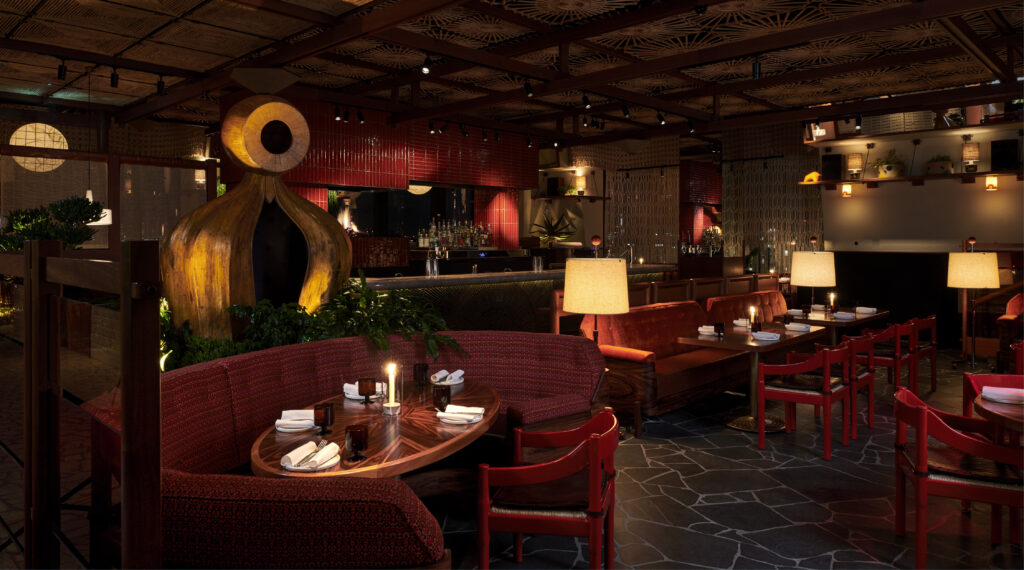
Differentiating points of view and price points is where Lalvani's expertise in brand architecture comes in. "When I arrived at Hyatt, people were asking, even internally, what is the difference between Thompson and Andaz? To me the differences were always there, but they had not been articulated in a way people could really feel. A lot of my work has been giving each brand sharper edges, making them distinct and ownable and truthful and executable. All four have to be true at the same time," he says.
Lalvani is clearly a leader who values good design, and as for its place in hotels, it is as much about aesthetics as it is about commercial success for him. "Design is the first thing a guest feels and often the last thing they consciously notice. That is why it matters so much," he says. "Good design sets the stage. It tells guests how to behave, how long to stay, what kind of night they are allowed to have. That has real commercial consequences: dwell time, F&B spend, return visits, what people say about you when they leave. Our biggest differentiation has always been community and social spaces, not room size or luxury markers. Design is how that intention becomes real."
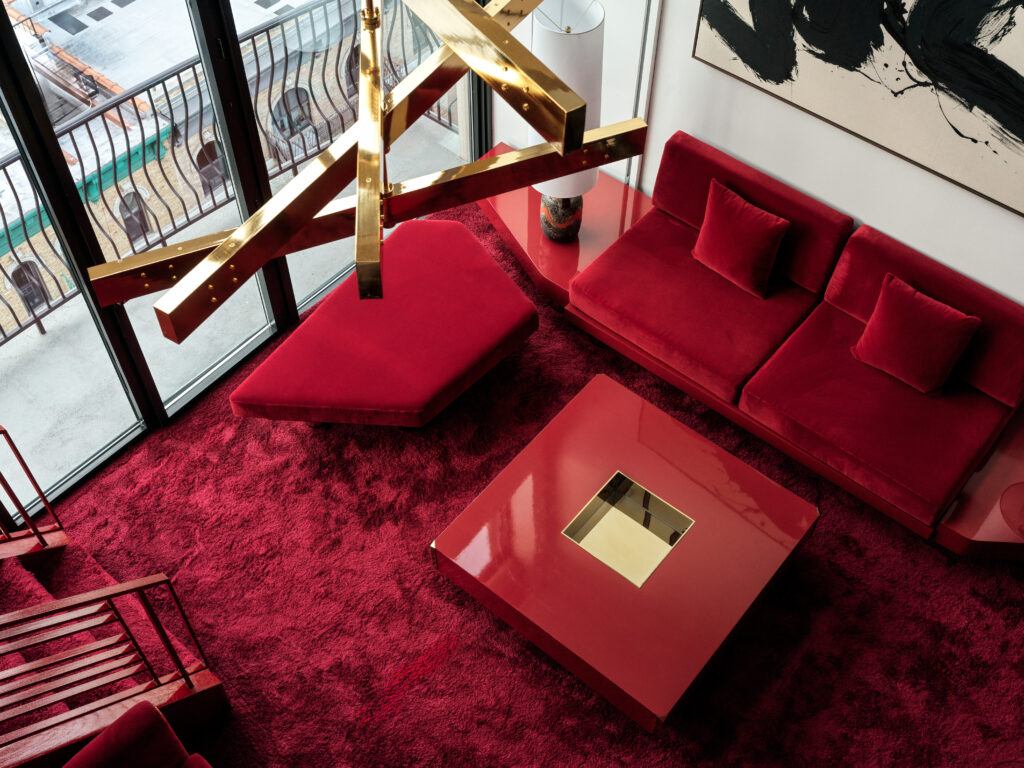
In the two years since joining Hyatt, Lalvani has kept The Standard close, extending the ethos to sub-brands, StandardX and The Manner, which have launched unique (and certainly swoon-worthy) properties in Melbourne and New York respectively. But why extend the brand instead of starting clean, and what do each of the sub-brands offer that The Standard does not? "The Standard has real equity built over twenty-five years. People know it, choose it, and have memories inside it. Walking away from that has a real cost," he shares.
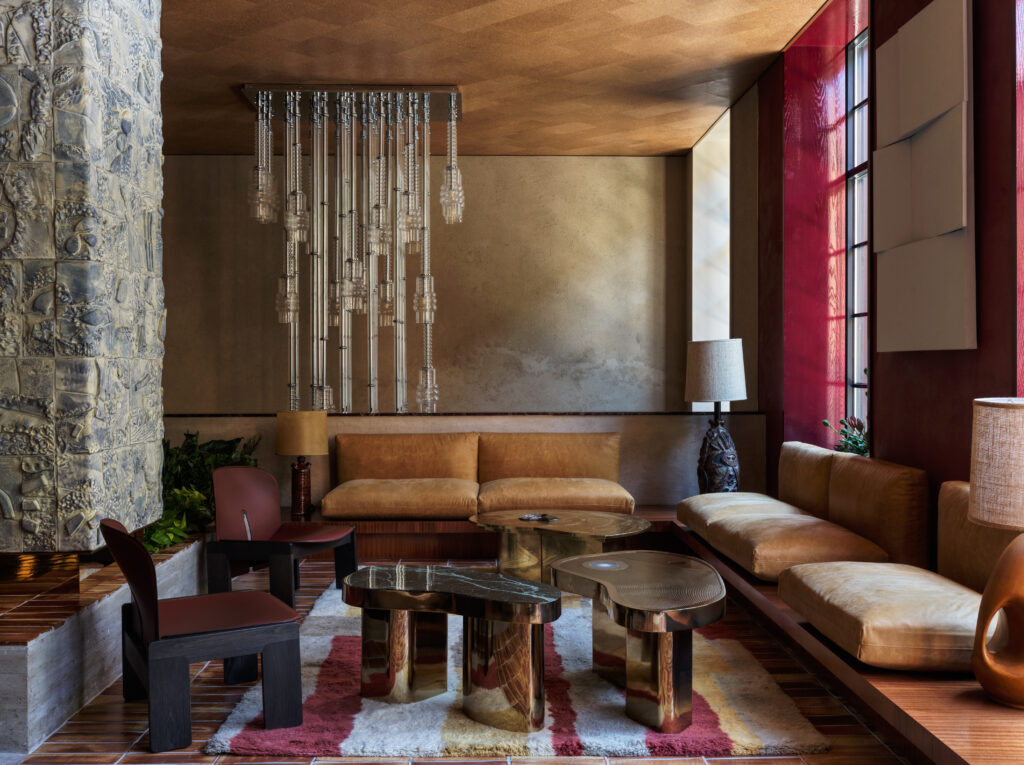
"The extensions only make sense if they are honest about serving a genuinely different guest. StandardX came out of frustration. There were cities I wanted to be in where the full Standard was too expensive to build or too much for the context. Leaner, more accessible, still recognisably us.”The Manner came from a different observation. “Some of the best hospitality experiences I have ever had were not in hotels. They were staying with a great friend, being embraced with real generosity in someone's home. So the question became: what if there was a hotel that felt like your best friend's place in SoHo, someone more stylish and more connected, who happened to have a beautiful loft? That is The Manner. It is not about the scene. It is built entirely around the guest. The Standard is a party. Not everyone wants a party."
After all that he has accomplished, it's easy to draw a blank when wondering what there is left that he is yet to tick off. His answer is more philosophical than one would imagine. "After the Hyatt transaction closed, I had this strange realisation that I did not need to keep proving myself in the same way. Which is an odd feeling after a long time of having a lot to prove," he shares."What genuinely excites me now is the people around me. Finding the right roles for them, giving them real responsibility, getting out of their way. There is a lot of legacy I have inherited, and I want to honour it while building what comes next. I take that responsibility seriously."His final ambition, though, has nothing to do with hotels. "And outside work, I want to be more present. I have spent most of my life moving very fast toward the next thing. The moments I value did not happen that way. They happened when I slowed down and paid attention. I am still working on that."
Related Articles
Boronkay Studio channels Art Deco elegance at Hôtel Palais de la Méditerranée
Boronkay Studio has reimagined Hôtel Palais de la Méditerranée in Nice, creating a contemporary i...
Read more
Portugal, built to last: the country’s next wave of hotels
Beach holidays on the Algarve, weekend breaks in Lisbon and Porto – Portugal’s appeal has never ...
Read more
Visionaries: Aaron Clarke and Marta Tuneu, the duo behind ADC & Tuneu
Once at the helm of Soho House's design team, Aaron Clarke founded ADC & Tuneu together with his...
Read more
We'd love to hear from you! Click the button to open the SPACE Magazine Survey and have your say.

Make sure you don't miss a single issue of SPACE by subscribing to receive the magazine. Click the button above to signup.