Leaders: William E. Heinecke on 25 years of Anantara Hotels and Resorts
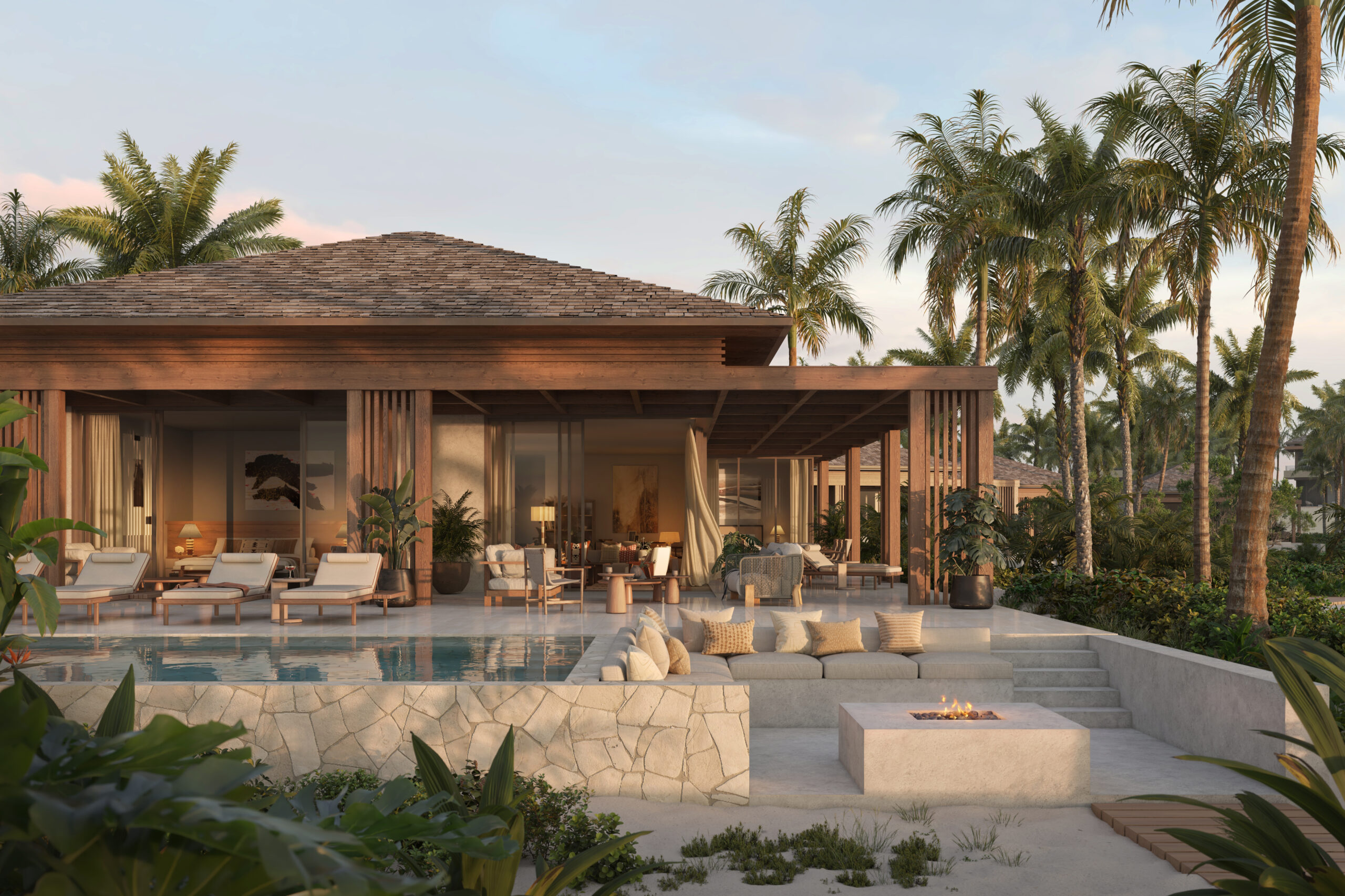
As Anantara Hotels & Resorts celebrates 25 years of creating luxury stays deeply connected to the locations they inhabit, the brand's Founder and Chairman shares memories from the early days and advice for emerging entrepenuers
WORDS BY JESS MILES
At just 17, William E. Heinecke founded his first business in Bangkok – simply called Minor, a tongue-in-cheek nod to his age at the time. Nearly six decades on, Minor International is all grown up and parent company to Minor Hotels. A global hospitality leader with more than 640 hotels, resorts and branded residences across 66 countries, it’s home to brands including The Wolseley, Tivoli and NH Collection. As the group marks 25 years of its flagship brand, Anantara, Heinecke sits down with SPACE to reflect on the milestones, the missteps and what’s still to come.
Left, William E. Heinecke. Right, Anantara Kafue River Tented Camp. Image credit: Minor International
You started your first business in Bangkok at 17 with just a $1,200 loan. What do you remember about those earliest days, and what kept you going?
I remember all too clearly that there was no safety net. I’d made a decision to stay in Thailand rather than return to the US or go to university, which meant I had to make things work. So there was an element of necessity, but what really kept me going was curiosity.
Thailand in the late 1960s was changing rapidly and opportunities seemed to be everywhere for anyone who cared to look. I learned very early to look for gaps. If something wasn't being done well, or wasn't being done at all, there was usually an opportunity behind it. I was also restless. I enjoyed building things, meeting people and trying ideas. Even then, it never felt like work in the traditional sense – and all these years later it still doesn’t. There was always another opportunity to pursue, and that kept me motivated. There was no Plan B. That tends to focus the mind. When failure isn't an option, you become surprisingly resourceful.
A lot has changed about the world since then. What would that teenager find most surprising about where the company is today?
The scale would certainly surprise him. When you're 17 and trying to build a business, you're focused on surviving the next month, not operating over 640 hotels around the world or managing an international portfolio of brands. What might surprise him even more is how much the underlying philosophy has stayed the same. The industry has changed, technology has transformed the way we work, the company is infinitely more complex – and yet we're still driven by the same curiosity and entrepreneurial spirit that got us started. I think he'd also be surprised that after all these years, I still enjoy it. If anything, the opportunities are more interesting today than when I started, and I still look forward to the next one.
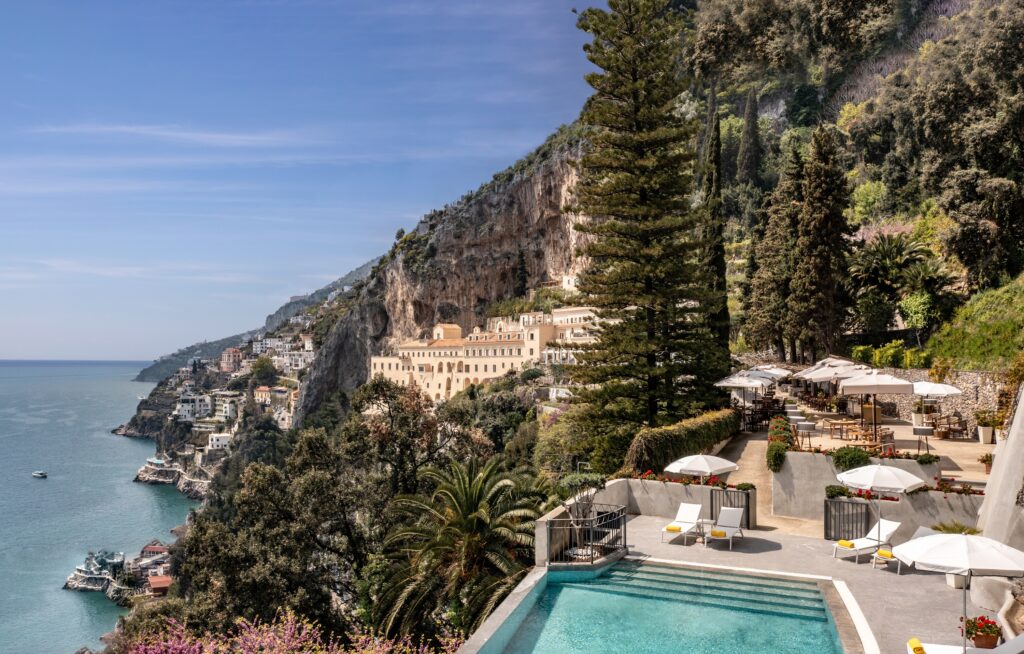
Building Minor over nearly six decades from one venture into a global hospitality group, looking back, what did you have to learn the hard way?
One lesson I’ve learned repeatedly is that growth can hide problems. When business is booming, almost every decision looks smart. It's only when conditions become difficult that you discover whether your assumptions were actually right.
I also had to learn that you can't do everything yourself. In the early years I wanted to be involved in every decision. As a company grows, that becomes impossible – and ultimately counterproductive. Building strong teams and trusting talented people to make decisions is one of the most important transitions any entrepreneur has to make. Companies don't scale because founders work harder. They scale because founders learn to trust others. Most of all though, I've learnt that resilience matters. At Minor, we've lived through financial crises, political instability, natural disasters and a global pandemic. Every challenge is different, but they all reward adaptability and discipline.
By 2001, Minor had been operating hotels in Thailand for more than 20 years. What was the gap you saw that convinced you to create Anantara and why was Hua Hin the right place to start?
Luxury hospitality was becoming increasingly standardised by the late 1990s. You could stay in beautiful hotels around the world, but many felt disconnected from the places they were in. In some cases, you could wake up and struggle to remember which country you were actually visiting. We believed there was an opportunity to create something different.
That there was a gap for a luxury brand deeply rooted in culture and place. Hua Hin was the ideal place to begin, with its unique heritage as Thailand's original seaside retreat. It allowed us to create something that felt genuinely connected to its surroundings rather than imposed upon them. From its inception, Anantara has been about helping people really experience a destination in a deeper, more meaningful way. Whether you’re in Vienna or Victoria Falls, that philosophy remains at the heart of the brand today.
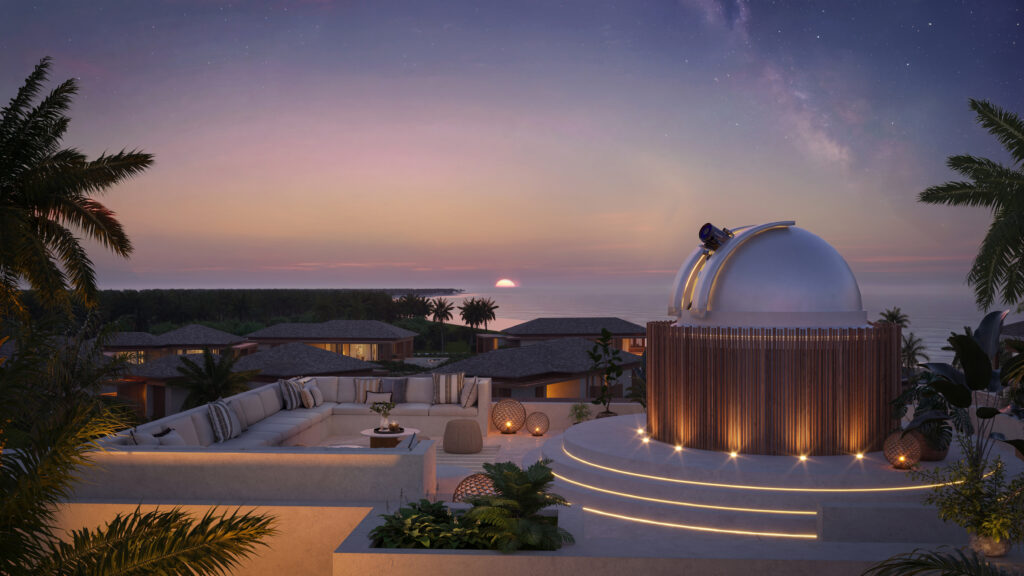
You've said creating Anantara remains one of your proudest professional accomplishments. Why this brand, above everything else you've built?
Because it was deeply personal. Anantara was our first wholly owned hotel brand, and it gave us the freedom to define luxury on our own terms. We weren't trying to replicate another successful model. We were creating something that reflected our values and our belief that luxury should be connected to people and place. I'm proud of how large the brand has become, with almost 60 properties globally. But I’m more proud that the original idea has endured. Maintaining that identity while expanding globally is incredibly difficult, and I think that's one of the brand's greatest achievements.
The first Anantara resort in Hua Hin was inspired by a traditional Thai village, with Bill Bensley shaping the early portfolio across Hua Hin, the Golden Triangle and Bophut. What was that creative partnership like, and how much of that early vision is still visible in Anantara today?
Working with Bill was transformative. We shared a belief from the outset that great hotels should tell stories. Bill never approached a hotel as simply a building. He saw it as a narrative waiting to be told, something that should immerse guests in the culture and character of a destination. The original Anantara Hua Hin was conceived as a living Thai village rather than a conventional resort, and Bill embraced that vision completely. Those early projects established a brand ethos that remains central to Anantara today. The details may evolve between destinations, but that philosophy remains very much alive.
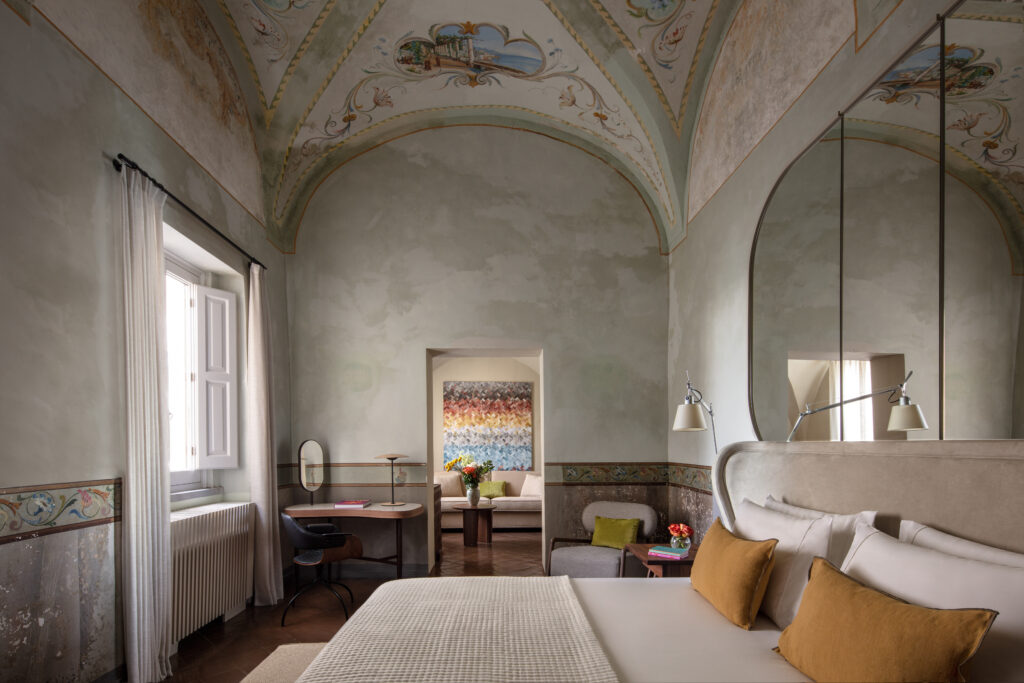
You set out to build a brand offering immersive, experience-led stays through indigenous design, local cuisine and unique destination experiences. Many luxury brands now use similar language - how do you keep Anantara different?
Authenticity has become one of the most overused words in travel. The reality is that guests don't judge authenticity by what a brand says. They judge it by what they experience. Anantara’s commitment to indigenous design and meaningful experiences were never marketing concepts. They were part of the brand from the beginning.
Every destination is different, and every hotel should reflect that. It would certainly be easier to standardise everything, but we'd lose what makes the brand special. When you wake up in a hotel room and you could be anywhere in the world, that's a failure of imagination. Our goal has always been the opposite. We want to create hotels that could only exist in the place where they're built.We're also not afraid to go where others won't. Some of our most exciting recent openings and pipeline projects are in destinations that remain relatively undiscovered by luxury travellers.
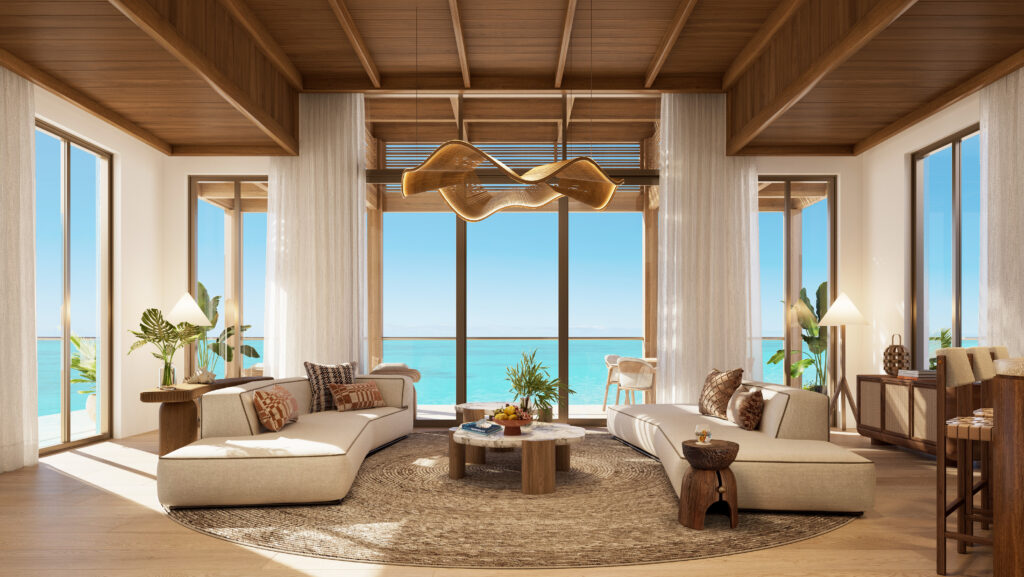
In Zambia, for example, Anantara Tented Camp Kafue River is the first fully off-grid Anantara, set deep within one of Africa's least explored wilderness areas. At the other end of the world, we're preparing to open in Ushuaia, bringing the brand's spirit of discovery to the southernmost city on Earth. Twenty-five years after Anantara was founded, that curiosity and sense of adventure remain integral to the brand.
The acquisition of Spain's NH Hotel Group tripled the portfolio and significantly expanded your global presence. How did you weigh that deal, and what would you say now to entrepreneurs faced with the same growth choice?
The largest opportunities rarely feel comfortable at the time. If everybody agrees a deal is a great idea, you've probably arrived too late.What ultimately mattered was fit. Europe and Latin America were clear gaps in our platform, and NH gave us immediate scale, experienced teams on the ground and a portfolio of brands very well-established brands that we could also take into new markets. It moved our international strategy forward by years in a single step.
For entrepreneurs facing a similar decision, size shouldn’t be the headline. Businesses don’t succeed just because they grow quickly. They succeed when cultures align and there is conviction to stay the course even when things get messy. You have to be prepared to own the long-term consequences as much as the initial opportunity.
Finally, you wrote ‘The Entrepreneur: 25 Golden Rules for the Global Business Manager.’ If you could only share one of those rules to other entrepreneurs, which would it be?
I think all of those lessons are important. But the one that stands out in today’s environment is: Embrace change as a way of life. The world doesn't stand still, and neither can you. Over nearly six decades in business, I've learnt that success comes less from being the smartest person in the room and more from being willing to adapt.
When I first started the company, change typically unfolded over months or years. Today it’s measured in days and weeks. Technology and customer expectations are evolving quicker than ever before. The businesses that endure won’t necessarily be the biggest or the most established. But they will be the ones that have enough humility to continue learning and continue adapting. The moment you believe you've figured everything out is usually the moment you begin falling behind.
Main image credit: Minor International
Related Articles
Boronkay Studio channels Art Deco elegance at Hôtel Palais de la Méditerranée
Boronkay Studio has reimagined Hôtel Palais de la Méditerranée in Nice, creating a contemporary i...
Read more
Portugal, built to last: the country’s next wave of hotels
Beach holidays on the Algarve, weekend breaks in Lisbon and Porto – Portugal’s appeal has never ...
Read more
Visionaries: Aaron Clarke and Marta Tuneu, the duo behind ADC & Tuneu
Once at the helm of Soho House's design team, Aaron Clarke founded ADC & Tuneu together with his...
Read more
We'd love to hear from you! Click the button to open the SPACE Magazine Survey and have your say.

Make sure you don't miss a single issue of SPACE by subscribing to receive the magazine. Click the button above to signup.