Japan’s tourism boom: a hospitality industry building for the long haul
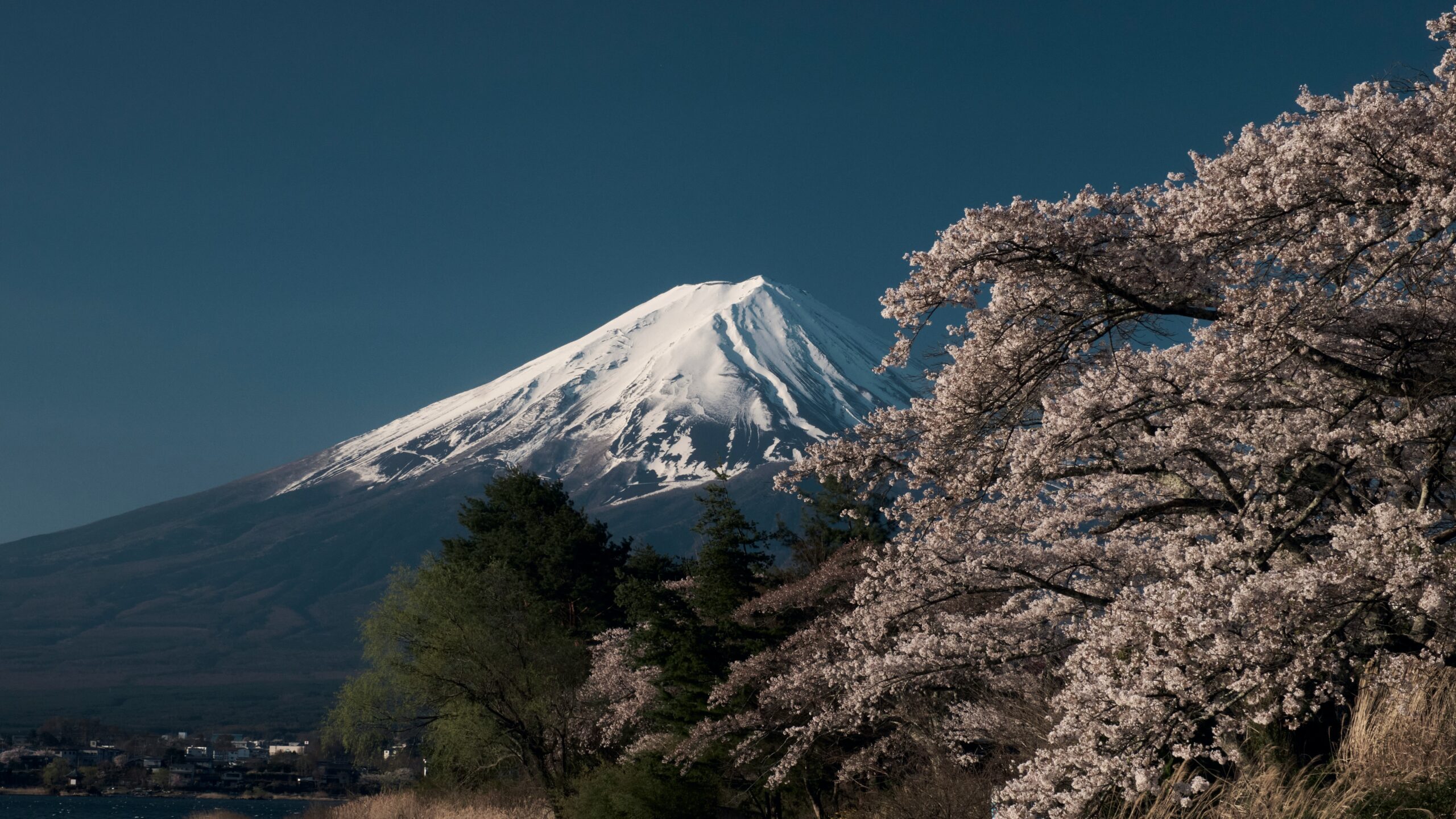
A weakening yen has made Japan's rise as a destination fast, and its next chapter is being built for crowds who are here to stay
WORDS BY SIENNA SHIPTON
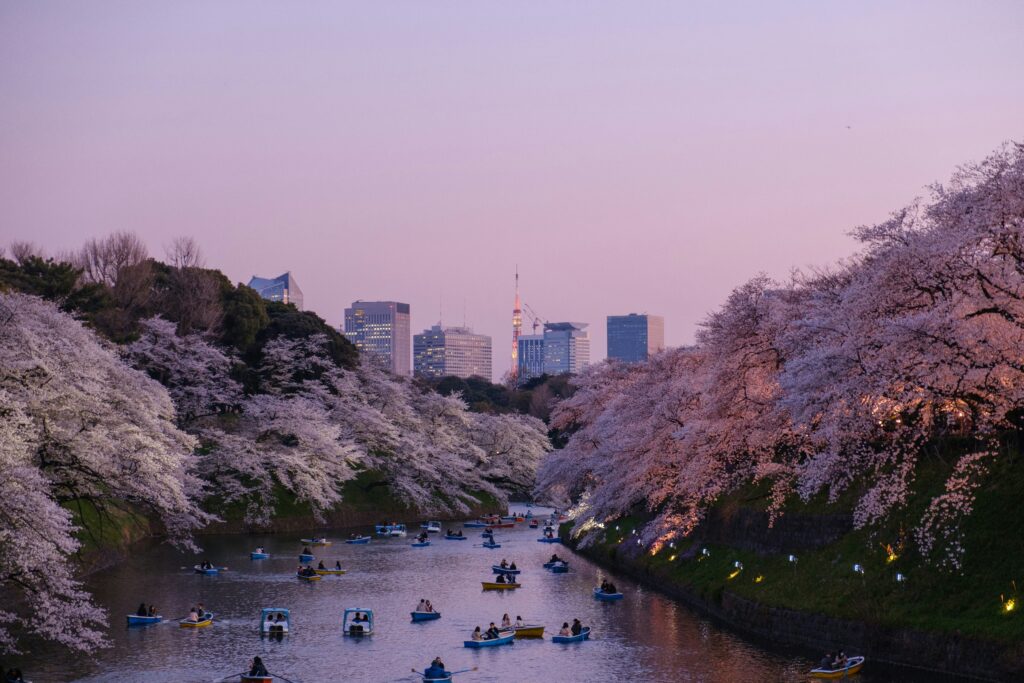
A weakening yen has caused a seismic shift in Japan’s tourism landscape, and now, its hospitality industry is building for a permanently larger market, betting that the appetite for Japan isn’t going anywhere. As with any destination that rises quickly in the spotlight, the crowds are never far behind. Japan's foreign visitor arrivals reached an all-time record of 42.68 million in 2025, according to Colliers Japan Hospitality Insights - an increase of 5.81 million year on year and a 15.8% rise that has pushed the hospitality market firmly into a new, more discerning, kind of demand. International spending has followed the same route, reaching up to JPY 9.5 trillion, predominantly driven by long haul travellers from Europe, the United States and Australia, where arrivals grew by 22%.Domestic demand has softened in comparison, with Japanese guest nights declining by 3.5% year on year, amid rising accommodation costs, which Colliers’ Japan Hospitality Insights report puts down to over tourism.
The country is evolving to keep up with the demand and investors and developers are rising to meet the increased international demand with Tokyo alone recording a 91% increase in its hotel development pipeline. Reported by Lodging Econometrics, Japan follows India and Vietnam for project count in the APEC region, with 221 projects and 33,079 rooms at Q1 2026 close. The pipeline spans Tokyo, Osaka and Kyoto, while increasingly extending into regional destinations including Hakuba, Furano, Takayama, Myoko and Okinawa. Japan is doing the persuading itself, and there is no surprise that global operators such as Accor, Marriott, Hilton, Hyatt and Hoshino Resorts are joining forces to drive this new wave of standout stays. SPACE takes a look at Japan’s new projects transforming the destination.
RECENT OPENINGS
Marking the brand’s first property in Japan, 1 Hotel Tokyo made its debut in March 2026 across the upper floors of the Akasaka Trust Tower. The 211 key collaboration between 1 Hotels and Mori Trust pairs biophilic design with Oya Stone, preserved moss and hand-raked plaster finishes that reinterpret wabi-sabi for a contemporary audience, designed by global architects and design studio CRÈME.Tokyo moves on its own terms and nowhere is that more visible right now than in Aoyama, where Soho House opened its first Japanese outpost in April 2026. One of the capital's most design-conscious neighbourhoods, Aoyama gives Soho House Tokyo a fitting address, blending vintage British heritage with bespoke Japanese craftmanship.
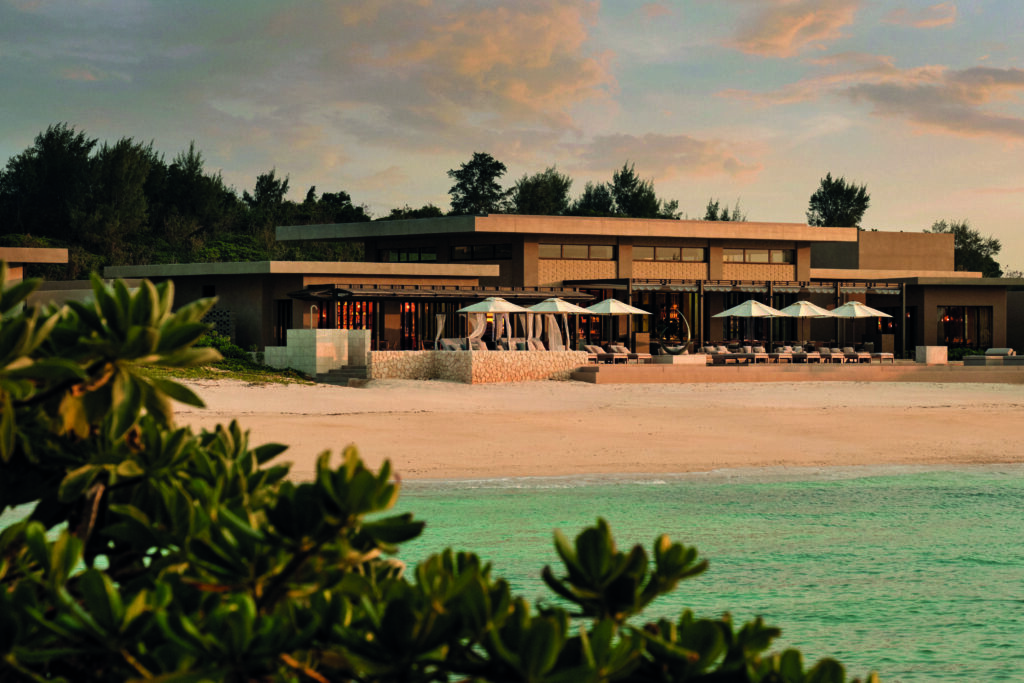
Fairmont Tokyo made the brand’s long anticipated Japan debut within the Blue Front Shibaura Tower. Designed by BAR Studio, it’s the brand's first property in the country and the most significant gap Accor has closed in its Asia Pacific portfolio in years. The 217-room hotel occupies the tower's upper levels, with views across Tokyo Bay and Tokyo Tower from a 35th-floor lobby. On Miyakojima, in Okinawa’s Ryukyu Islands, Rosewood Hotels & Resorts opened its first Japanese property in 2025. Rosewood Miyakojima is a 55-villa retreat designed by Studio Piet Boon, where a restrained palette of Ryukyu limestone, concrete and coastal tones anchor the resort within its natural landscape. Described by the design team as an expression of "quiet confidence," the project prioritises a sense of place over formality, with architecture intended to feel "almost inevitable" within its island setting.
Another hotel following the theme of quiet luxury is Four Seasons Hotel Tokyo at Marunouch. Reopening after a full transformation by Andre Fu, with just 57 keys the hotel is redefined by a rare sense of intimacy. The new concept provides guests with a more personal connection to Japan, returning as a contemporary ‘Nihon no teitaku’ (a modern interpretation of Japan’s stately homes) all the while amplifying the timeless elegance Four Seasons is known for worldwide.
IN THE PIPELINE
Scheduled to open in September 2026 is Hilton Takayama Resort, in partnership with JR Central Group, JR Tokai Real Estate and JR Tokai Hotels. Hashimoto Yukio Design Studio has taken charge of the guest rooms, adopting the concept of “art of mountain folk,” drawing directly from the surrounding alpine landscape and translating regional craft traditions into a contemporary resort. Further north in Niigata Prefecture, MGallery - Accor’s collection of storied hotels has signed Madarao Kogen Hotel and Lime Resort Myoko, in partnership with Patience Capital Group, marking the brand’s debut in Japan’s ski regions. Madarao Kogen Hotel, is renowned for “Madapow” powder snow and the most tree-skiing courses of any resort in Japan. The 80-room property will reopen in late 2027 following a comprehensive transformation, blending Alpine comfort with Japanese minimalism. Thirty minutes away, the 38-room Lime Resort Myoko will open by winter 2026 at the base of Mt.Myoko, connected to Madarao via shuttle as a wellness-focused counterpart within one of Japan’s most established ski regions.
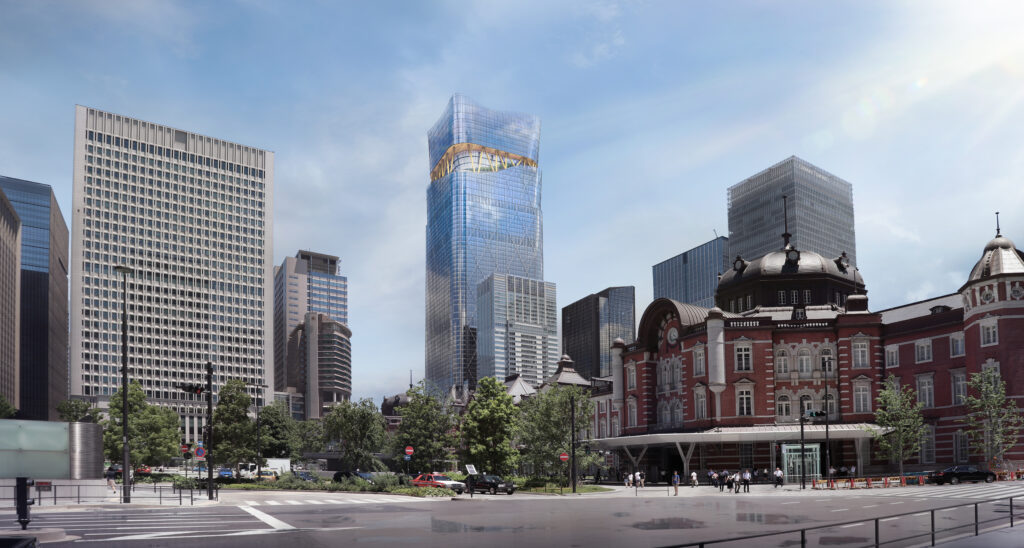
The Dorchester Collection, meanwhile, is making its first move into Asia. From being known as the most storied hotel in London, The Dorchester Tokyo is due to open in 2028 within the Tokyo Torch, the city’s tallest tower. Occupying the uppermost levels of the development, the hotel is envisioned as a new benchmark for vertical luxury hospitality, capturing the pace across Tokyo Bay, the Imperial Palace and Mount Fuji.Other anticipated openings include Rosewood Tokyo, as announced in May 2026, the 200 room hotel will reflect destination led dining and bar concepts inspired by Tokyo’s renowned culinary culture. This landmark development symbolises the growing future of Tokyo, which the Rosewood’s distinctive vision will further transform the area into a one of a kind global destination.
As the pipeline continues to unfold, further ahead in 2030, Minor Hotels announces Avani Kyoto marking the brand’s debut in Japan, as part of a joint development with Raisei Corporation and Heiwa Real Estate. Also in 2030, Conrad Kobe is due to open with 136 keys at the heart of the emerging cosmopolitan port city.
Related Articles
How a Franciscan cloister became Four Seasons Cartagena
A 16th-century Franciscan cloister, a 1920s social club and a clutch of old theatres have been knitt...
Read more
The SPACE Edit: our pick of bathroom products to know right now
Sculptural basins, jewel-like brassware and a transparent bath: here is our Editor’s selection of ...
Read more
Objects of desire: Lee McNichol’s little black book of obsessions
Lee McNichol, CEO and Creative Director of Studio Sixty7, shares his latest obsessions and inspirati...
Read more
We'd love to hear from you! Click the button to open the SPACE Magazine Survey and have your say.

Make sure you don't miss a single issue of SPACE by subscribing to receive the magazine. Click the button above to signup.