Where the landscape leads: South Africa’s design-led hotel pipeline
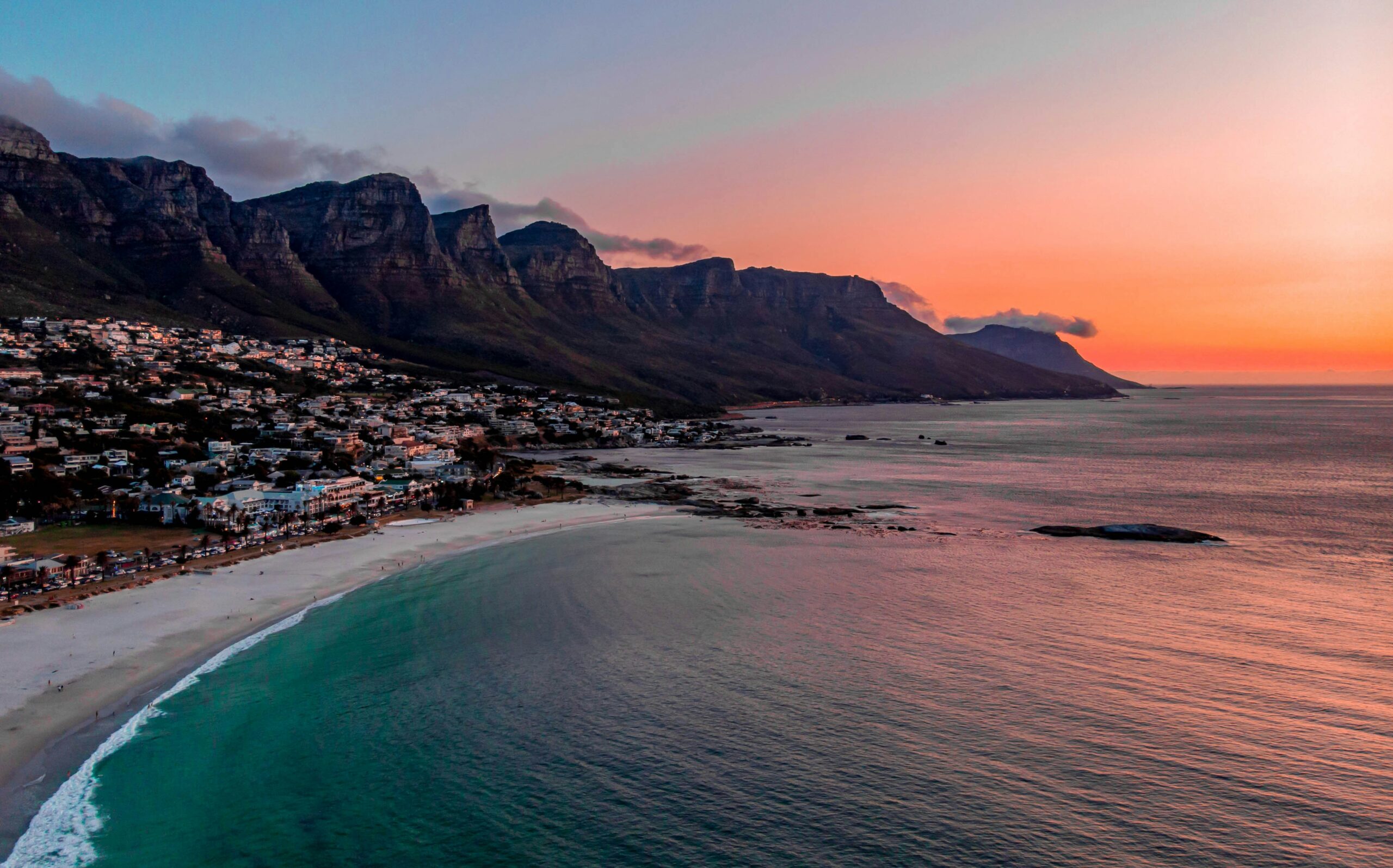
From Cape Town to the Kruger, a new generation of South African hotels is moving beyond the familiar clichés, drawing on the country’s makers, materials and landscapes to tell a more nuanced story
WORDS BY PAULINE BRETTELL
South Africa has always had an intrinsically strong thread of innovation and design running through it, with a rich history of traditional crafts sitting comfortably alongside, and informing, contemporary creativity. With the current focus on place and storytelling in design, this creativity is being harnessed to amplify the message, not only in boutique and bespoke properties, but also by the established brands that are moving in rapidly to stake a claim. The design industry in South Africa has always recognised the potential of collaboration as a creative force. Several of the headline openings – including Morea House, from the Marriott portfolio, and Club Med’s Tinley Manor – share one trait: a global brand name working alongside a local studio or maker.
With hotels increasingly looking beyond the traditional design team to engage with local artists, craftspeople and emerging talent, this collaboration can give projects an important connection to the community, as well as that unique sense of authenticity that the industry is chasing. While the international players might be grabbing a lot of the attention, local brands are also claiming their place in the pipeline. BlackBrick Hotels are leading the design-driven aparthotel pack, having identified an opportunity to build a homegrown South African hospitality brand with international appeal. Cape Town remains the major drawcard for both hotel brands and tourists, but the shift towards more experiential travel means that the diversity of the country as a whole is being both explored and reflected in hotel development.
From the design-led safari lodge to the reimagined urban hotel, a new generation of hospitality spaces is emerging, telling a more nuanced story of the country – one that moves beyond the familiar clichés, to explore the richness of its landscapes, materials, cultures and creative voices. Brands – both international and local – are clearly embracing a much-loved and well-worn South African expression: local is lekker – embracing the colloquial while confidently commanding a place in the sun.
Recent Openings
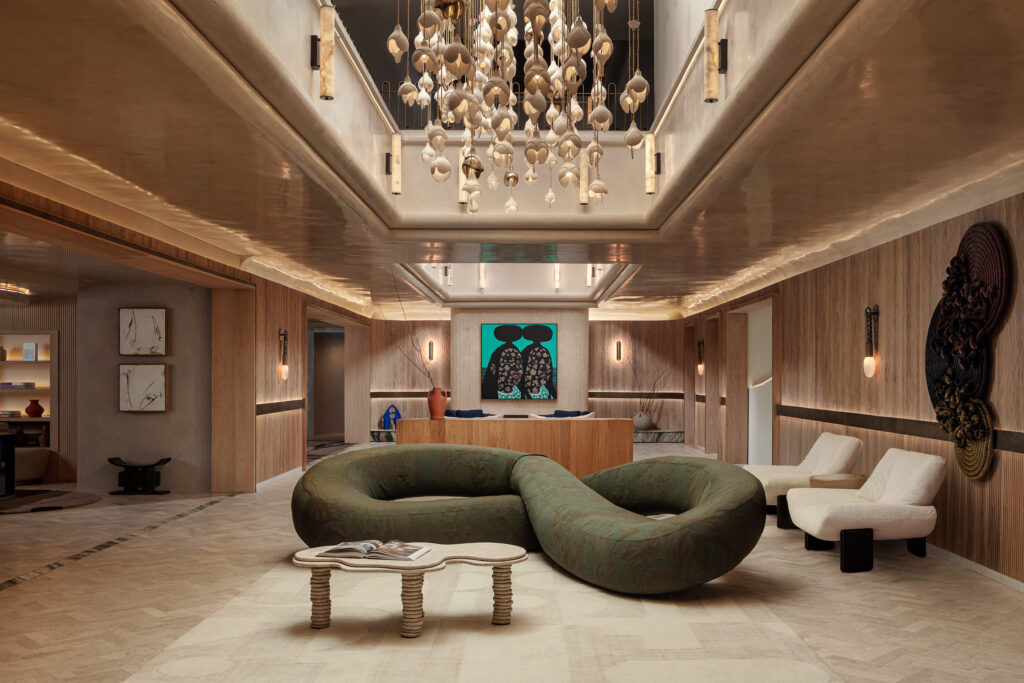
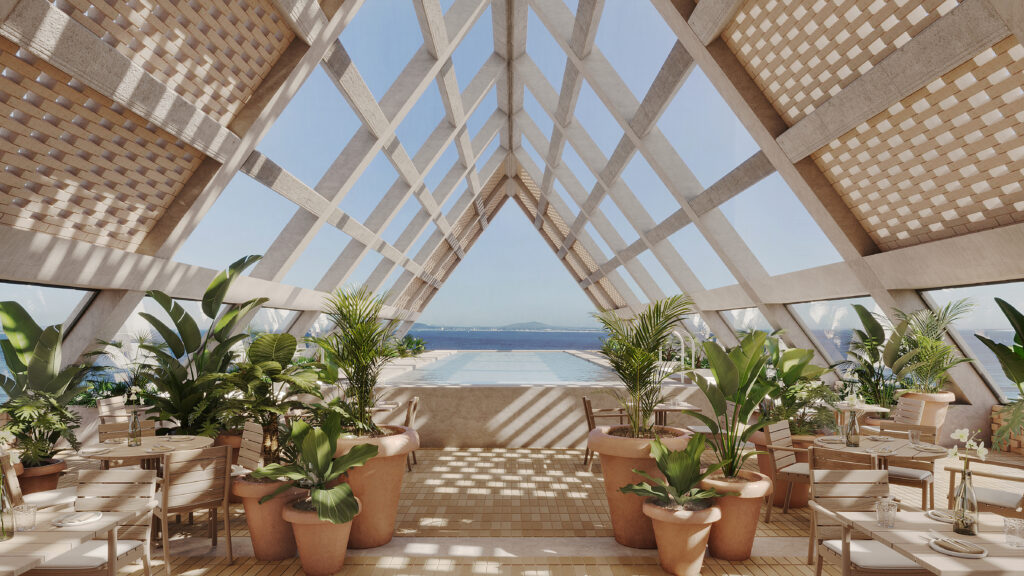
While some brands are striking out for the first time in South Africa, others, like Belmond, have been cementing a well-established position by digging deeper into the local landscape. Mount Nelson is indisputably the much-loved doyenne of luxury in Cape Town, but Belmond, always championing design, has delivered something a little beyond the sugar-pink traditions of the property with the newly opened Thebe Magugu Suite and Magugu House created in collaboration with internationally acclaimed South African fashion designer Thebe Magugu. Morea House, recently opened on the Camps Bay beachfront, is a member of the Marriott Autograph Collection. Key to the success of this collection is that the properties all foster a special connection to their surroundings, and the award-winning design led by Cape Town-based Studio Tristan du Plessis offers guests a consciously framed dual aspect, connecting with both the ocean and the mountain. Club Med has recently been making waves with the opening of Club Med Tinley Manor, which, in many ways, is bucking the boutique hotel development trend that is all about fewer keys. Instead, this impressive 400+ key resort, located on the Indian Ocean coast of KwaZulu-Natal, has set itself apart with the distinctive combination of both beach and safari experiences. The interior design has been led by Durban-based practice Modius, resulting in a vocabulary that combines the international elements of the brand with a strong sense of the vernacular.
Shifting back into the boutique, Tamodi Estate and Polo Reserve has opened its doors and its windows onto South Africa’s Tsitsikamma mountain range, declaring itself to be ‘a destination reached with intention’. The design for Tamodi Estate was led by Studio Ashby and weaves together material culture and craftsmanship to create a contemporary approach to a local lifestyle. The aparthotel trend has not escaped the South African hotel pipeline, and 2026 has been an important year for South African brand BlackBrick, as it has continued to evolve from a collection of design-led apartment hotels into a national hospitality network. Following the successful opening of BlackBrick Gardens in Cape Town, the brand has continued to focus on new markets, with BlackBrick Umhlanga opening in December 2026.“South Africa has enormous potential to develop stronger domestic business and leisure travel networks, and we see an opportunity to build a homegrown hospitality brand that can compete internationally. Ultimately, our ambition is not simply to open more hotels, but to create a connected network of beautiful places that enable people to live and work more freely,” says Jonathan Lieberman, Co-Founder and CEO, BlackBrick.
In the pipeline
Fifteen years in the making, Tengile MalaMala Collection is preparing to unveil Khensani River Lodge, a new nine-suite lodge on South Africa’s MalaMala Game Reserve. The lodge will be the collection’s most design-led to date. Owned in partnership by the local community and the Saad family, the collection is one of South Africa’s few community-partnered safari brands, combining conservation with long-term local investment. Staying on safari, luxury brand Taj has also been busy in South Africa, and Taj Hilltop Lodge, a 30-key luxury tented camp, is scheduled to open later in 2026 in the Balule Nature Reserve within the Greater Kruger National Park.Sir Richard Branson’s private game reserve, Ulusaba Private Game Reserve, is completing a full-scale architectural and interior redesign led by Luxury Frontiers, with a phased reopening starting in January 2027.
The fully transformed Safari Lodge and Rock Lodge are scheduled to open in April 2027. Heading back south to the city, Mama Shelter is preparing to open the doors to its transformation of the iconic City Park building, once home to Cape Town’s Christiaan Barnard Memorial Hospital. The 127-key hotel and branded residences, slated for December 2026, mark a major milestone for Ennismore as its first hotel signing in the country. Both hospitality giants, Marriott and Hilton, are aggressively expanding across the continent through 2027. In South Africa, this involves introducing more properties within their upscale boutique sub-brands, such as Marriott’s Autograph Collection and Hilton’s Tapestry Collection. The Sterling Hotel, Tapestry Collection by Hilton, set along the KwaZulu-Natal coastline, marks the debut of Hilton’s lifestyle Tapestry Collection brand in South Africa. The 111-room boutique hotel is scheduled to open in 2027.
Freshly opened this month, The Cape Town EDITION from Marriott has definitely been the current pipeline headliner, while also being the subject of divided and loudly voiced local opinion. The bold industrial silhouette making its mark on the Mother City waterfront skyline has been designed by Shanghai-based architectural firm Neri & Hu, in collaboration with local architecture and design firm StudioMAS. True to the EDITION brand, the project plans to deliver a sophisticated property, blending its modern, luxurious style with authentic local character.
And finally, it would appear that the much-anticipated opening of The Homestead Ladysmith is imminent. A project led by Really Epic Dog Group, the luxury eco-lodge will debut with 12 luxury lodges in the Nambiti Private Game Reserve. As a zero-impact lodge, The Homestead is offering a truly unparalleled and opulent experience, while balancing this with a corporate social responsibility, outreach and schools strategy that is as integral to the property as its design decisions.
Perhaps this is where South African hospitality design is at its most interesting. It is moving beyond the idea that luxury must be imported, prescribed or universally recognisable. Instead, it is finding value in what is already there: the landscape, the makers, the stories and the creative communities that give each place its character. And in a global hospitality market increasingly searching for a stronger sense of identity, that feels like a particularly powerful place to be.
Related Articles

SPACE opens nominations for its top 20 Rising Stars 2027
SPACE is looking for the emerging architects and interior designers making their mark on hotel desig...
Read more
Inside The Companion Vienna, a new hotel designed by weStudio
At Vienna’s Westbahnhof, a 19th-century building has been transformed into The Companion Vienna. B...
Read more
HIX Europe unveils this years talks programme
HIX Europe has unveiled the HIX Talks Programme for 2026, bringing the people behind some of the wor...
Read more
We'd love to hear from you! Click the button to open the SPACE Magazine Survey and have your say.

Make sure you don't miss a single issue of SPACE by subscribing to receive the magazine. Click the button above to signup.