From runway to check-in, couture takes the keys
Fashion brands are increasingly partnering with hotel groups, or opening properties of their own. SPACE charts the move into hospitality, and what is driving it
WORDS BY SOPHIE HARPER
Over the last couple of decades, the hospitality industry has seen a shift in consumer behaviour when it comes to luxury travel: a large sector of the market decided the traditional signs of wealth – crystal, gold and marble in palatial settings – weren't really what they were looking for from a luxury hospitality experience, and so the industry took note, recognising the need to reposition itself as a more authentic, natural, and location-focused offering to guests inspired by the intrepid adventures of their favourite social media influencers. But amidst the rebranding and getting to grips with sustainable etiquette, we forgot that there is indeed still demand for glitzy, glamorous hospitality experiences, and while our attention was averted, major fashion brands have seized an opportunity to swoop in and remind us all that traditional luxury hasn't faded – it's simply evolved.
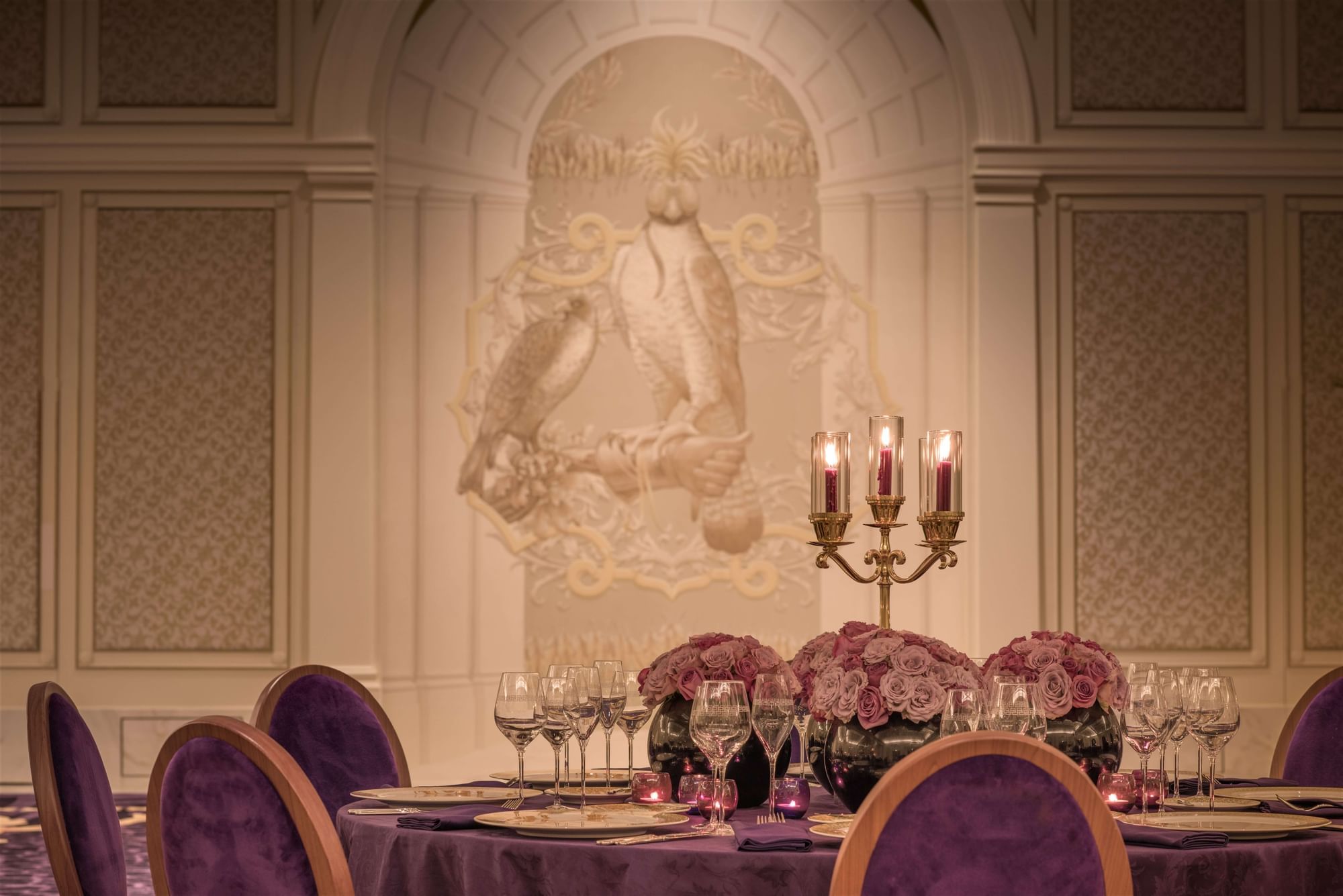
Paving the way in 2000, Versace was the first fashion house to dip its toes into the hospitality world, and in untested territory, it was a bold move – especially being in Queensland, Australia, but the pilot concept, which brought a slice of Italian exuberance to the Southern Hemisphere, was a success and allowed the brand to branch out later to Dubai and Macau. Next on the scene, Bulgari stepped into hotel operations with its Milan property opening in 2004 and has been exceptionally successful in this market – helped by its partnership with Marriott International. The luxury jewellery brand has since become a master in hospitality operations, boasting nine hotels across Europe and Asia, and more in the pipeline with openings set for Ranfushi (2027), Bodrum (2028), Miami Beach (2029), Cave Cay (2029) and Abu Dhabi (2030).
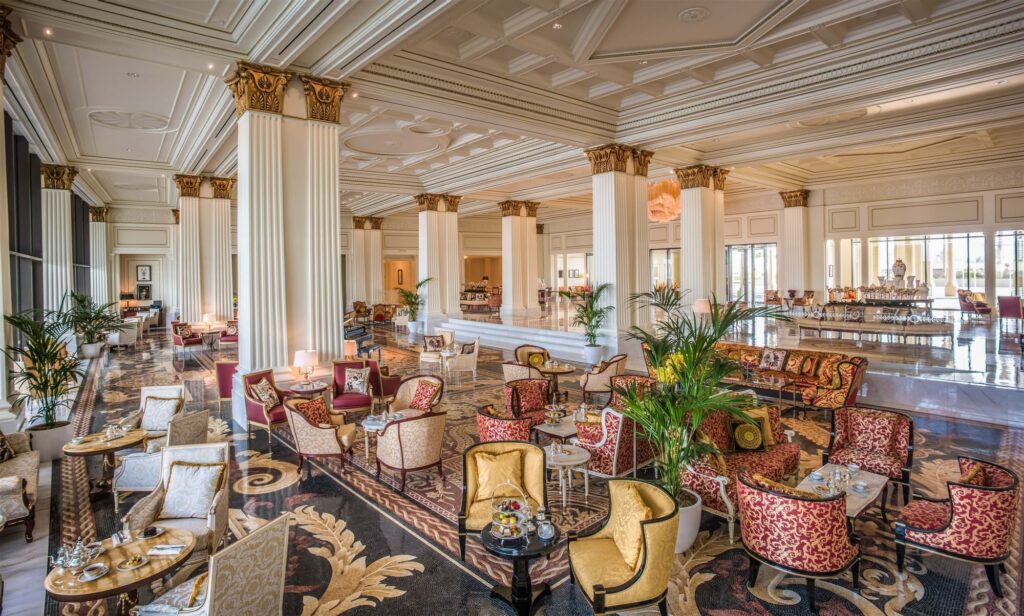
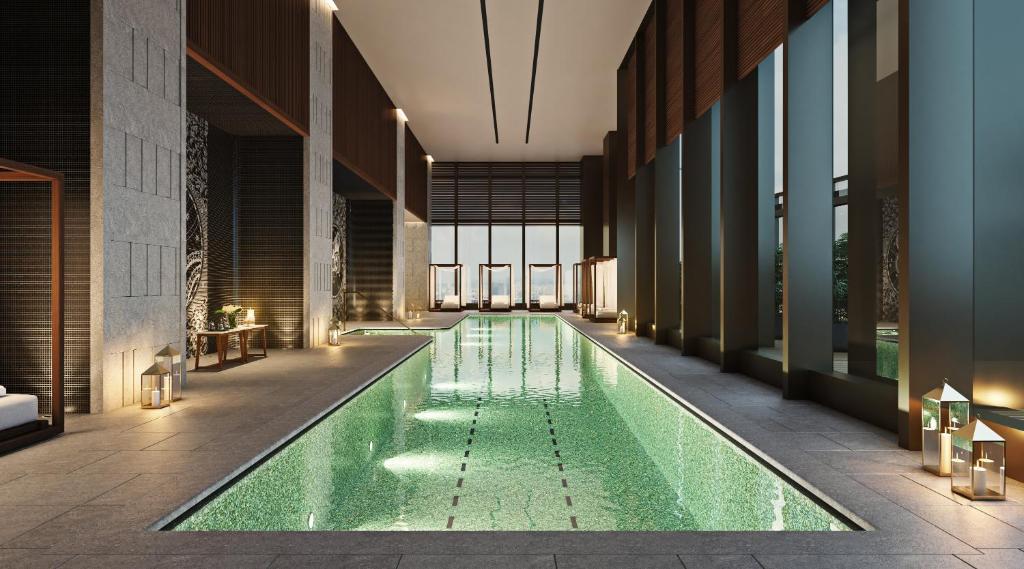
Missoni also flirted with the idea of its own branded hotels, with a brief takeover in Edinburgh and Kuwait in the late noughties, but after five years ended its contract with Rezidor Hotel Group, choosing instead to work on collaborations with a number of hotel groups to launch beach clubs and branded pop-ups. Armani was next to follow suit, opening as part of the Burj Khalifa development with Armani Hotel Dubai in 2010, quickly followed by Armani Hotel Milano in 2011, and four years ago signed another agreement for a new hotel development in Riyadh, Saudi Arabia. Notably, Giorgio Armani himself oversaw all the interior design, which is typically modern and minimalist.
More recently, we've seen the development of fashion brands flexing their creative muscles in hospitality with more big names taking the plunge – from floral decadence in The Gucci Suite at London's Savoy to the super sleek and modern Fendi Private Suites in Rome. Elsewhere, Vermelho Melides, Christian Louboutin's five-star boutique hotel on Portugal's Alentejo coast, is a clever take on hospitality that appeals to both the authentic travel market and luxe-hunting fashionistas. With just 13 rooms, hand-picked artworks, local Alentejo tiles and a restaurant built around seasonal Portuguese produce, Vermelho is less like a branded hotel and more like an extension of Louboutin's personal aesthetic – intimate, red-hued and unapologetically maximalist.
Meanwhile, KARL LAGERFELD is pursuing something closer to traditional Lisbon city-living with its KARL LAGERFELD Residences, part of a wider push by the house into branded real estate that also includes a $1.4 billion beachfront residential project on Ras Al Khaimah's Al Marjan Island – badged as the first fully managed, fashion-house-branded residential development in the region. Essentially, fashion and hospitality are both businesses of identity and aspiration. Luxury travellers already buy into a fashion brand's aesthetic through their wardrobe, so letting them sleep inside that aesthetic is a natural next step, and one that deepens loyalty in a way a single handbag purchase cannot. For fashion houses, hospitality offers something more than a shopping experience: sustained, immersive time with the customer, with guests spending a weekend or more inside the brand, rather than five minutes at a counter.
Fashion brands are increasingly diversified operators, and hospitality offers high-margin, experience-led revenue that reinforces brand equity rather than diluting it, provided it's executed with genuine design integrity rather than a logo bolted onto an existing property. So you can expect the pipeline to keep growing. As younger luxury consumers prioritise experiences over acquisitions, and as fashion houses look for new categories to extend brand storytelling, hospitality is one of the few sectors that serves both.
Related Articles
HIX returns this November with a new home
HIX Europe returns this year with an expanded format and a theme that reflects an industry in consta...
Read more
How a Franciscan cloister became Four Seasons Cartagena
A 16th-century Franciscan cloister, a 1920s social club and a clutch of old theatres have been knitt...
Read more
The SPACE Edit: our pick of bathroom products to know right now
Sculptural basins, jewel-like brassware and a transparent bath: here is our Editor’s selection of ...
Read more
We'd love to hear from you! Click the button to open the SPACE Magazine Survey and have your say.

Make sure you don't miss a single issue of SPACE by subscribing to receive the magazine. Click the button above to signup.