Leaders: Nobu CEO, Trevor Horwell on the blurring lines of hospitality
Restaurants, hotels, resorts and residences are no longer separate worlds. Trevor Horwell, CEO of Nobu Hospitality, talks to SPACE about the blurring lines of hospitality, and why moving between them is second nature to Nobu
WORDS BY JESS MILES
For years, luxury hospitality brands have sold the stay. Now, they are selling the address. For Nobu, residential was never a trend to follow, but rather a natural evolution. As a brand that began at the table, it has been building on its cult following ever since – extending the experience first into hotels, and more recently into branded living.
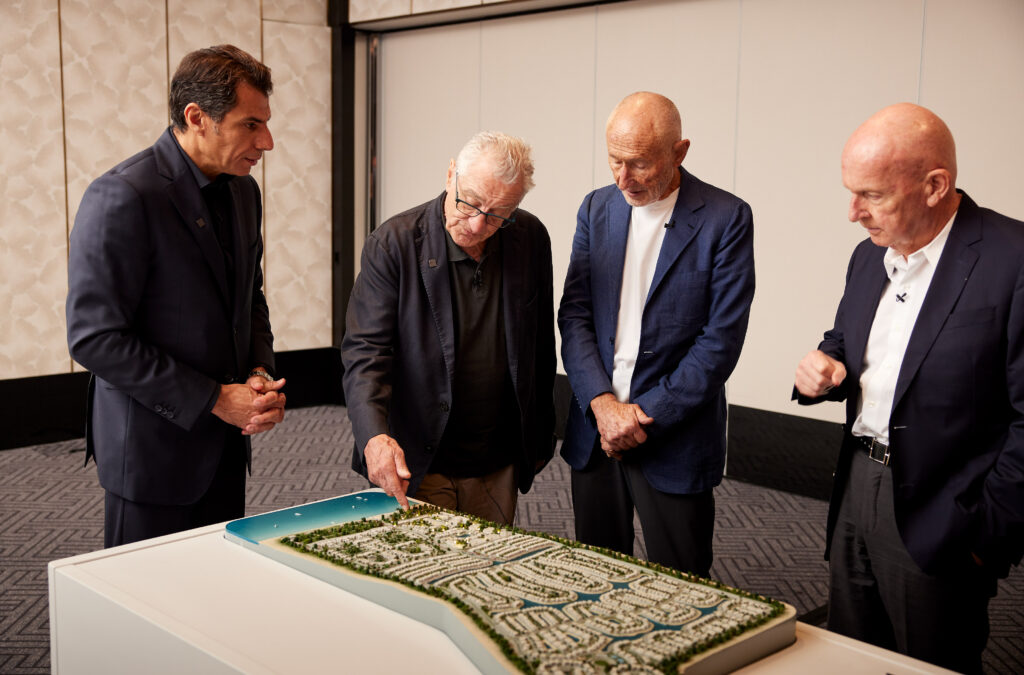
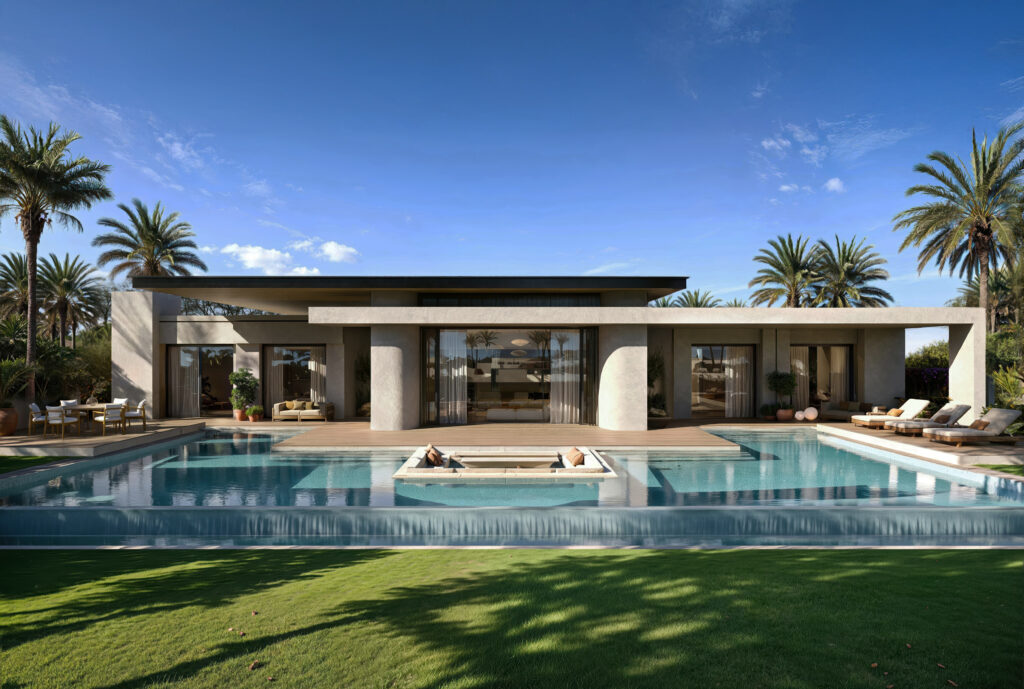
This summer, Nobu and Egyptian developer SODIC gathered media and industry guests at Nobu Hotel London Portman Square to reveal three developments across Egypt's North Coast and Cairo – one of the brand's most ambitious regional expansions to date, and one that brings the full offering of hotel, restaurant and residences together on each site.
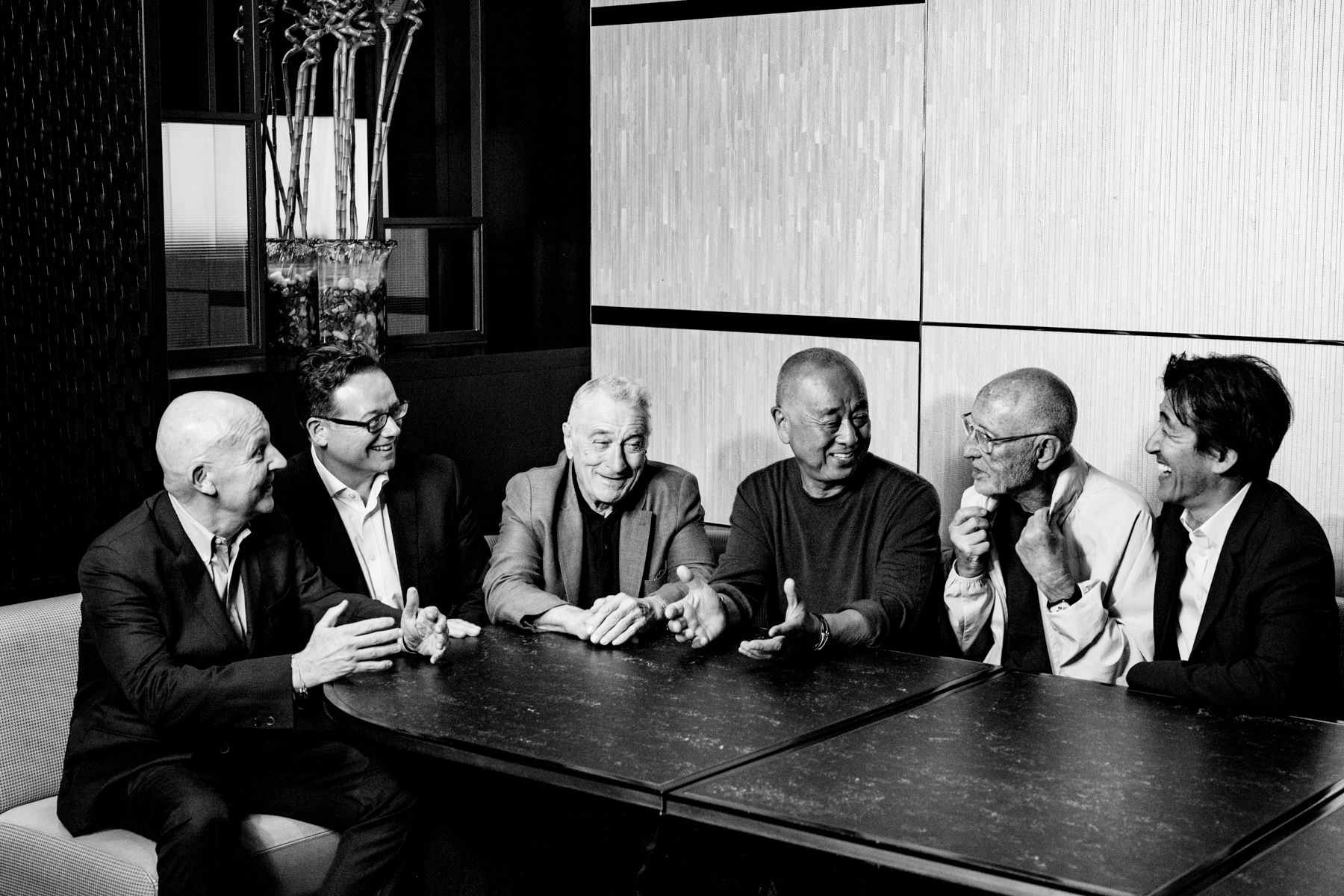
Behind the brand are three names most people know: Chef Nobu Matsuhisa, Robert De Niro and Meir Teper. The face seen less often is Trevor Horwell, who joined as CEO in 2009 and has led the company's expansion from restaurant group into a 360 hospitality brand. Following the Egypt announcement, he spoke to SPACE about the brand’s journey to this moment, a shifting market, and what’s next for Nobu.
Could you tell us about your earlier career in luxury hospitality, and any key moments that shaped your journey to Nobu?
I began my career at Hyatt in the 1980s, which is where I met Struan McKenzie. We went on to work together at COMO and Hard Rock before joining Nobu in 2009, so we have now worked alongside one another for more than 30 years. That kind of longevity comes down to trust. Nobody achieves success alone, and you should never forget the partners, teams and support system around you.
Our relationship with Nobu goes back to 1997, when we brought Nobu Restaurant to London as part of the launch of the Metropolitan Hotel. That was when we first worked with Chef Nobu, Robert De Niro and Meir Teper, and the restaurant and hotel continue to thrive together today.
What became very clear was the power of Nobu as the social heart of a property. The restaurant brought energy, attracted the local community and created an identity that extended far beyond the rooms. When the partners, Struan and I came together in 2009, we shared a vision to take what Nobu had created in restaurants and develop it into a complete hospitality experience. In many ways, the Metropolitan showed us what that relationship between food and hotels could become.
Was there a specific moment you'd call the pivot from restaurant group to hospitality brand?
We had known Chef Nobu, De Niro and Meir for over a decade before Struan and I joined the company, so there was already a strong foundation of trust and a shared understanding of the brand. By 2009, we all had recognised that Chef Nobu had created an incredible platform from which we could build something much broader.
Nobu Restaurants were increasingly being invited to open within hotels, and it became a natural question for us: if the restaurant was already bringing credibility and value to a property, why wouldn’t we extend that thinking to the rest of the guest experience? We then agreed on the vision to take what made Nobu special in restaurants and apply it to hotels without diluting the brand. The restaurant would remain the core, but around it we could create rooms, suites and social spaces that carried the same sense of Kokoro and connection.
The three partners, yourself and Struan McKenzie are all distinctive leaders in your own right. How do you make decisions without pulling in five directions?
It comes down to trust, mutual respect and a shared vision. Our three shareholders are not simply names associated with the brand – they remain actively involved in its direction. Chef Nobu is the heart of the business. He protects the food, the culture and the principles on which the brand was built on. Bob has a strong creative instinct and an instinctive understanding of what feels right for Nobu. Meir brings a strong entrepreneurial perspective, with a deep understanding of strategy, partnerships and how the brand can grow in the right way.
Struan and I then work closely with all three of them to turn that creative vision into an operating business across our restaurants, hotels and residences. Each of us approaches an opportunity from a different perspective, which is one of our strengths.
We do not believe in a heavy corporate structure because that can become a handbrake to creativity. Ideas are discussed openly, challenged when necessary and ultimately measured against a very simple question: is this right for Nobu? We may not always begin with the same viewpoint, but we are aligned on the values of the brand and our responsibility to protect what has made it special.
The branded residences market is growing at an exponential rate. What prompted this expansion for Nobu?
We started with restaurants, then hotels, and residences became the next step because our guests wanted to engage with the brand in a deeper, more permanent way. We saw early on that people had a genuine emotional connection with Nobu, and projects like Nobu Hotel & Residences Toronto reinforced that. The residences sold out within three months, demonstrating that buyers were investing not only in real estate, but in the Nobu lifestyle itself.
We wanted to create somewhere people genuinely wanted to live because they already loved the Nobu experience. If you can combine exceptional homes with the restaurant and the hotel services people already know and trust, you create something far more meaningful than just another residential development.
Why are branded residences a good business case for hotel brands? How does the economics of residences differ from hotels for a brand like Nobu?
Nobu has always been an asset-light company. We don't own real estate; we build brands and manage hospitality experiences. Residences complement that model by creating value early in the development cycle while also reinforcing the long-term success of the hotel, restaurant and wider destination.
The economics are slightly different to hotels. Hotels are operational businesses that generate value over time through guest experience and repeat visitation. Residences, on the other hand, create value much earlier, but their long-term success still depends on protecting the integrity of the brand. That's why we never view residences as simply a real estate project. For us, the most successful developments are those where the residences, hotel and restaurant work seamlessly together. Each element strengthens the other, creating a destination that delivers long-term value for homeowners, developers and the local community alike.
And for the buyers, why is it worth the investment? Are they paying for the brand, the service, or the resale value?
Many of our residence owners have already built a relationship with Nobu through our restaurants or hotels, so they know the standards of the lifestyle they're buying into. Service is a huge part of the appeal. The ability to enjoy the same hospitality and sense of community every day creates a very different ownership experience. You're not simply buying an apartment; you're becoming part of a brand and a way of living that people already know and trust. Our focus has always been on creating places where people genuinely want to live, and I believe that's ultimately what drives lasting value.
In terms of the Egypt projects, three developments with one partner is unusual. What did SODIC show you that made you commit at that scale?For us, it always comes back to the people behind the project. We look for partners who think long term, share our standards and are focused on creating destinations that will still be successful many years from now. That's exactly what we found with SODIC. From the outset, there was a shared ambition to build something much bigger than a single hotel or restaurant. Together, we saw the opportunity to introduce Nobu across three very different destinations, each with its own identity. Rather than treating them as separate projects, we saw them as part of a long-term vision for the brand in Egypt, and that's what gave us the confidence to make that commitment.
Could you share a little more on the vision for Egypt in terms of design? And what makes it a great destination for a landmark Nobu development like this?
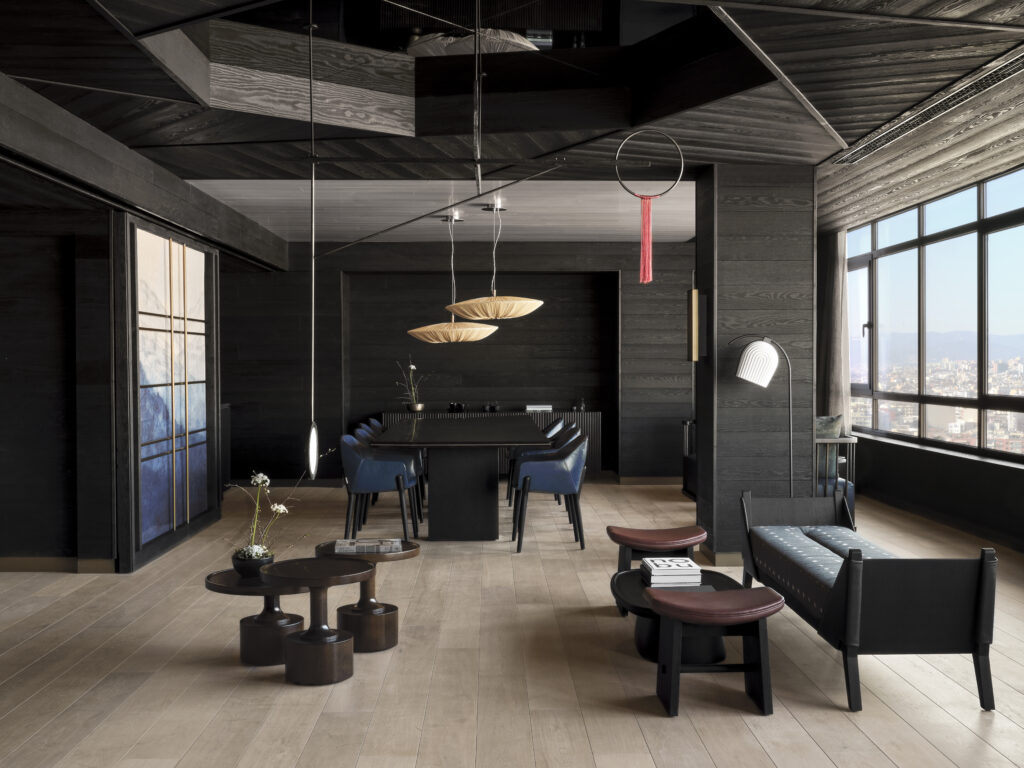
Design has always been a core foundation of the Nobu brand, and we never approach a project with a fixed template. Instead, each location tells a different story, and we respond to that context in a very considered way. The North Coast naturally lends itself to a relaxed, Mediterranean feel, while Cairo has a more contemporary urban energy. Although each development will have its own character, they'll all share the understated design, craftsmanship and attention to detail that people associate with Nobu. Egypt itself is a very exciting market. It has extraordinary history and culture, but it's also evolving rapidly as a destination for international hospitality and investment. We believe it's the right time to be part of that journey.
A restaurant you visit, a hotel you stay in, a home you live in. Which is hardest to get right? Has each vertical prepared you for the next?
A home is probably the hardest part to get right because it’s the most personal. A guest might visit a restaurant for an evening or stay in a hotel for a few nights, but a residence has to work every day. People are not simply buying square footage – they are buying into the Nobu way of life and a cultural connection with the brand. Each vertical has naturally prepared us for the next. The restaurant taught us how to create energy, community and memorable experiences around food. The hotel allowed us to extend that relationship into a complete 24-hour experience, and the residences take it one step further by brining Nobu into people’s everyday lives. The foundation remains the same across all three: exceptional service, thoughtful design and Kokoro – doing everything from the heart.
Finally, what has Nobu still not done that you want to see in the future, if there were no limits?
Everything we do is driven by mindset and execution strategy. The foundation years of Nobu set the scene for future growth. Today, Nobu has a well-oiled brand machine. Nobu will continue to take the hospitality brand to even greater levels. But at the core of our success has always been execution. The power of collaboration, both internally and externally. The culture of Nobu. Now, with solid foundations for growth, it is essential that we enhance our resources and teams and ensure we have the right infrastructure in place for our next phase. Resources can run out, but our vision is infinite. Nothing is impossible. It’s all about mindset. When we started Nobu Hotels, we faced skepticism - from lawyers, consultants and billionaires alike. Everyone said it wouldn’t work. Yet we had immense faith in our shareholders, our partners and our loyal teams. We are protected. We have held our own. The Nobu revolution will never cease. There is no turning back.
Related Articles

Preview: what to expect at Shoreditch Design Week
Shoreditch Design Week returns this September with an expanded programme placing material innovation...
Read more
Nick Jones takes on a new chapter with St.Clement
In his first venture since parting ways with Soho House, Nick Jones returns with St. Clement, and a ...
Read more
Preview: first look at Focus/26 on Design
Focus/26 on Design returns to Design Centre, Chelsea Harbour this September, bringing five days of n...
Read more
We'd love to hear from you! Click the button to open the SPACE Magazine Survey and have your say.

Make sure you don't miss a single issue of SPACE by subscribing to receive the magazine. Click the button above to signup.